Sleepy Tales of Japan — Stories to Dream By
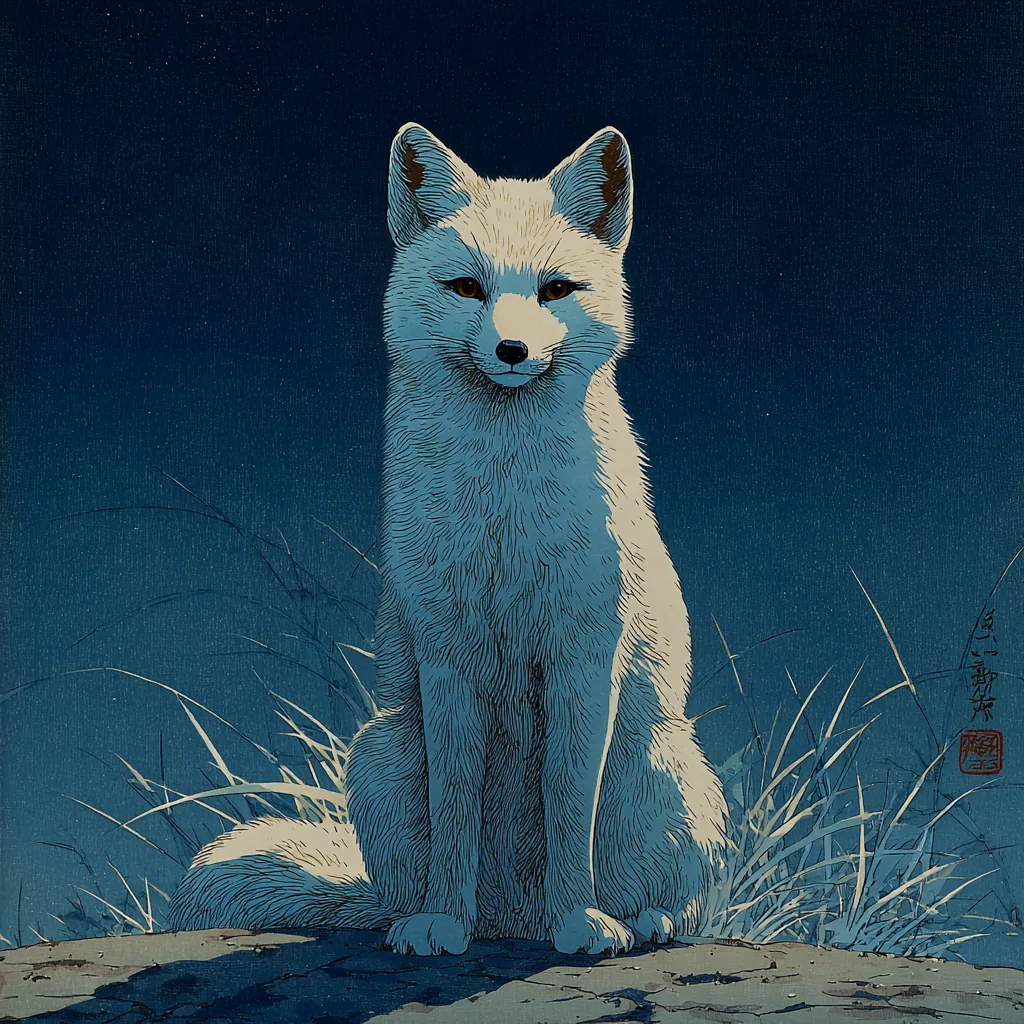
For a thousand years, a white fox has wandered the shrines and mountain passes of Japan — listening to the stories that history forgets to shout, but never stops whispering.
That fox is the voice behind Sleepy Tales of Japan.
Two voices, one project
Sleepy Tales of Japan exists in two registers, and it helps to know which one you’ve found before clicking through to the other.
On YouTube, our stories are narrated by the Fox — a recurring character we created for the channel. The Fox is a white spirit fox who has watched the rivers, mountains, and shrines of Japan for centuries. The Fox speaks slowly, in long sentences, in the hour before you fall asleep. Every episode opens the same way: “You have found me again. Good. Sit down. The stone is cool, and the night is long enough for a story.” The Fox is not pretending to be a historian. The Fox is the storyteller.
On this blog, we tell the same stories, but in a different register: in writing, in daylight, with the research notes left in. You’ll find named sources, specific dates, Western-history comparisons to help you place each story in context, and the kind of depth a thirty-minute narration can only outline. If the Fox’s voice is what you listen to as you drift off, the blog is what you read in the morning to learn what really happened.
If you came here from a video, the Fox is still here — we’ve simply taken off the costume to show you the notes underneath.
If you go from here to YouTube, you’ll meet the Fox. Now you know.
How we research
Every article is built from primary and authoritative sources before a single sentence is written:
- National tourism and government records — Japan National Tourism Organization (JNTO), the Japan Meteorological Agency, official prefectural archives
- Museum publications — the National Museum of Japanese History, the Tokyo National Museum, and regional museums
- Academic journals — J-STAGE, university press editions, peer-reviewed history journals
- Encyclopedic references — Britannica, Smithsonian, Nippon.com
- Japanese-language primary sources where translations exist — the Kojiki (712 CE), the Nihon Shoki (720 CE), Edo-period travel diaries, and similar
Every article ends with a Sources section listing what we used. We don’t sensationalize. We don’t traffic in “weird Japan.” We don’t repeat “did you know”-style internet folklore without checking it against the record. If we find we’ve made an error, we update the article and note the change.
Who this is for
If you fall asleep to history podcasts, plan trips around castles and shrines, or simply feel a quiet pull toward Japan’s past — you’re in the right place. These stories are written for curious people who want substance without noise: the kind of reader who notices when “1707” and “1709” get swapped, who wants to know not only what happened but why, and who appreciates a well-placed footnote.
Who writes it
Sleepy Tales of Japan is researched and written from Japan, by a long-time student of Japanese history and culture. The Fox provides the voice on YouTube; the same project provides the research, the writing, and the Western-history context here on the blog. The names beneath the articles read “Sleepy Tales of Japan” — that’s the editorial identity, and every word published under it has been checked against the sources cited.
If you’d like to correct an error, suggest a story, or just say hello, write to us — we read everything.
The fox rests now. The articles remain.
What We Cover
History
From the age of samurai to the quiet Edo townspeople — each story is grounded in primary historical sources, academic research, and the records left behind by the people who lived it.
Culture
Japanese traditions, seasonal customs, and the unspoken rules of daily life — explored with care, context, and a deep respect for the culture they come from.