Tokyo Was a Swamp Nobody Wanted — Then One Exiled Samurai Saw What Everyone Else Missed
- Sleepy Tales of Japan
- 6 min read
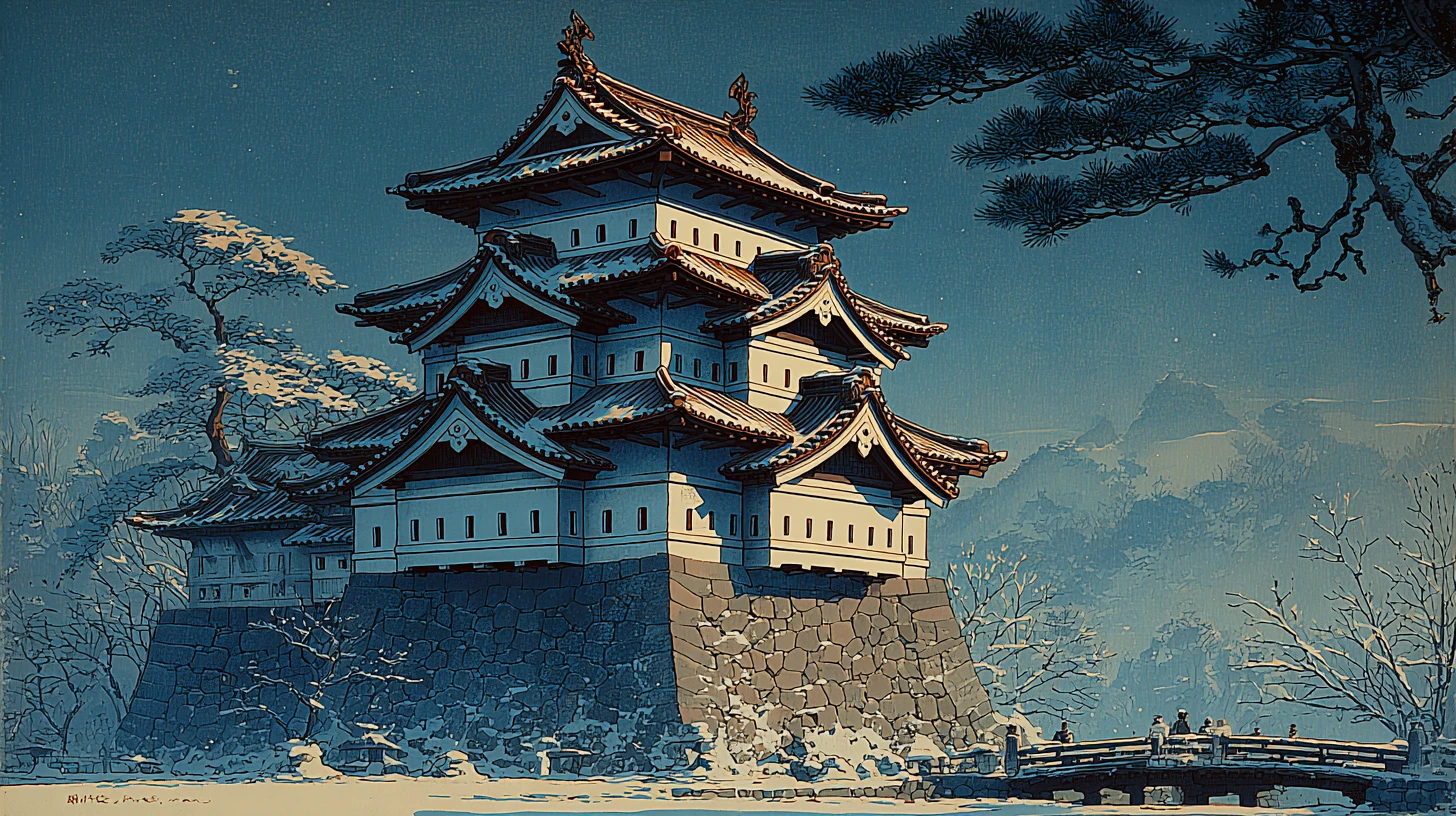
Tokyo’s Imperial Palace sits behind mortarless stone walls that have withstood four centuries of seismic upheaval. Long before it became a 37-million-strong megacity outranking modern New York or London, this exact site was a desolate tidal marsh where toxic salt mud choked the reeds. The transformation from a forgotten swamp into the world’s largest metropolis was not an accident of geography, but a brutal, calculated engineering heist masterminded by a political exile.
In 1590, Tokugawa Ieyasu surveyed this wasteland. He did not see failure; he calculated logistics.
💡 This article explores the history behind our sleep story episode. Watch on YouTube: Tokyo — A City Born from Swampland
Table of Contents
Open Table of Contents
The Hostage Who Learned to Wait
Before Tokugawa Ieyasu built a capital, he was currency.
Born in 1543 as Matsudaira Takechiyo at Okazaki Castle, his childhood was defined by physical commodification. Caught between the predatory Imagawa and Oda clans, the five-year-old boy became a political pawn, intercepted and bartered into nearly fifteen years of house arrest as a high-profile hostage in Sumpu. He learned military strategy and administrative law under surveillance. More importantly, he weaponized patience.
His pivot arrived in 1560. A surprise ambush at Okehazama left his captor, Imagawa Yoshimoto, dead under Oda Nobunaga’s blades. The seventeen-year-old Ieyasu reclaimed his ancestral Okazaki Castle, declared independence, and forged a calculated alliance with Nobunaga in 1562.
Three decades of strategic subservience followed. While Nobunaga and Toyotomi Hideyoshi burned armies to unify central Japan, Ieyasu hoarded resources, avoided unnecessary friction, and waited.
Why Edo? Hideyoshi’s Gambit
In August 1590, Toyotomi Hideyoshi handed Ieyasu a poisoned chalice.
Having crushed the Hōjō clan at Odawara, Hideyoshi ordered Ieyasu to surrender his ancestral lands in central Japan for the eight untamed provinces of the Kanto plain. It was strategic banishment disguised as a promotion. Hideyoshi secured the developed heartland near Kyoto; Ieyasu was sent hundreds of miles east to a coastal marsh. Refusal meant immediate execution.
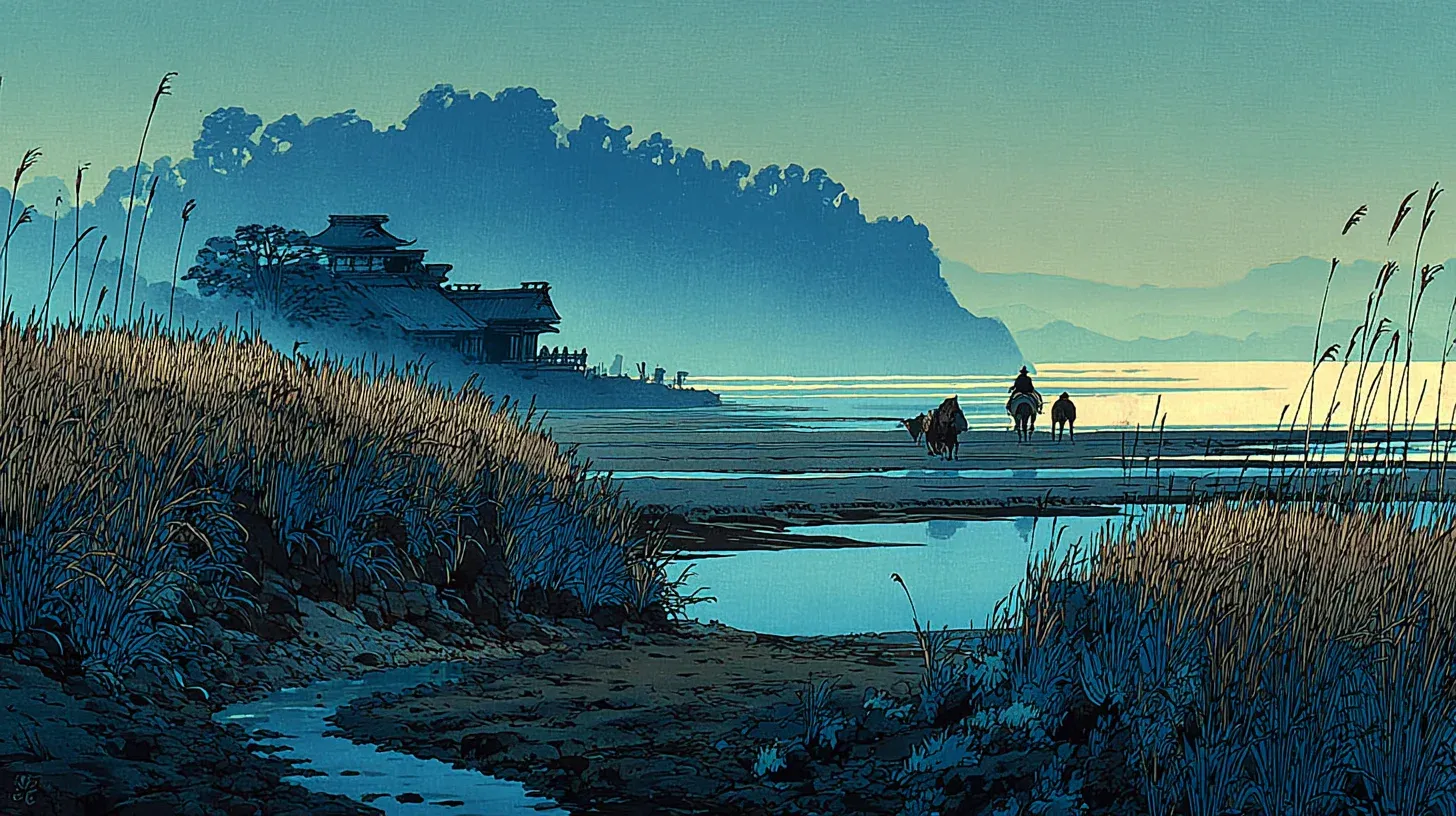
Ieyasu took the deal. He rode into Edo, facing a gray expanse of mosquito-infested bog where others saw only logistical ruin. He saw a low hill for defense, deep-water maritime access, and a network of rivers ripe for transport manipulation.
Sekigahara: The Battle That Changed Everything
Hideyoshi’s death in 1598 fractured Japan’s fragile peace. Two massive coalitions collided on October 21, 1600, in the choking fog of Sekigahara, where 160,000 samurai engaged in six hours of slaughter.
Ieyasu’s Eastern Army broke the stalemate not through brute force, but through targeted espionage, activating pre-arranged defections among Western Army commanders loyal to Ishida Mitsunari. In 1603, Emperor Go-Yōzei officially appointed Ieyasu as shōgun—the supreme military dictator.
Ieyasu bypassed Kyoto entirely, anchoring his military government (Bakufu—the warrior administration) in the eastern mud.
Draining the Swamp
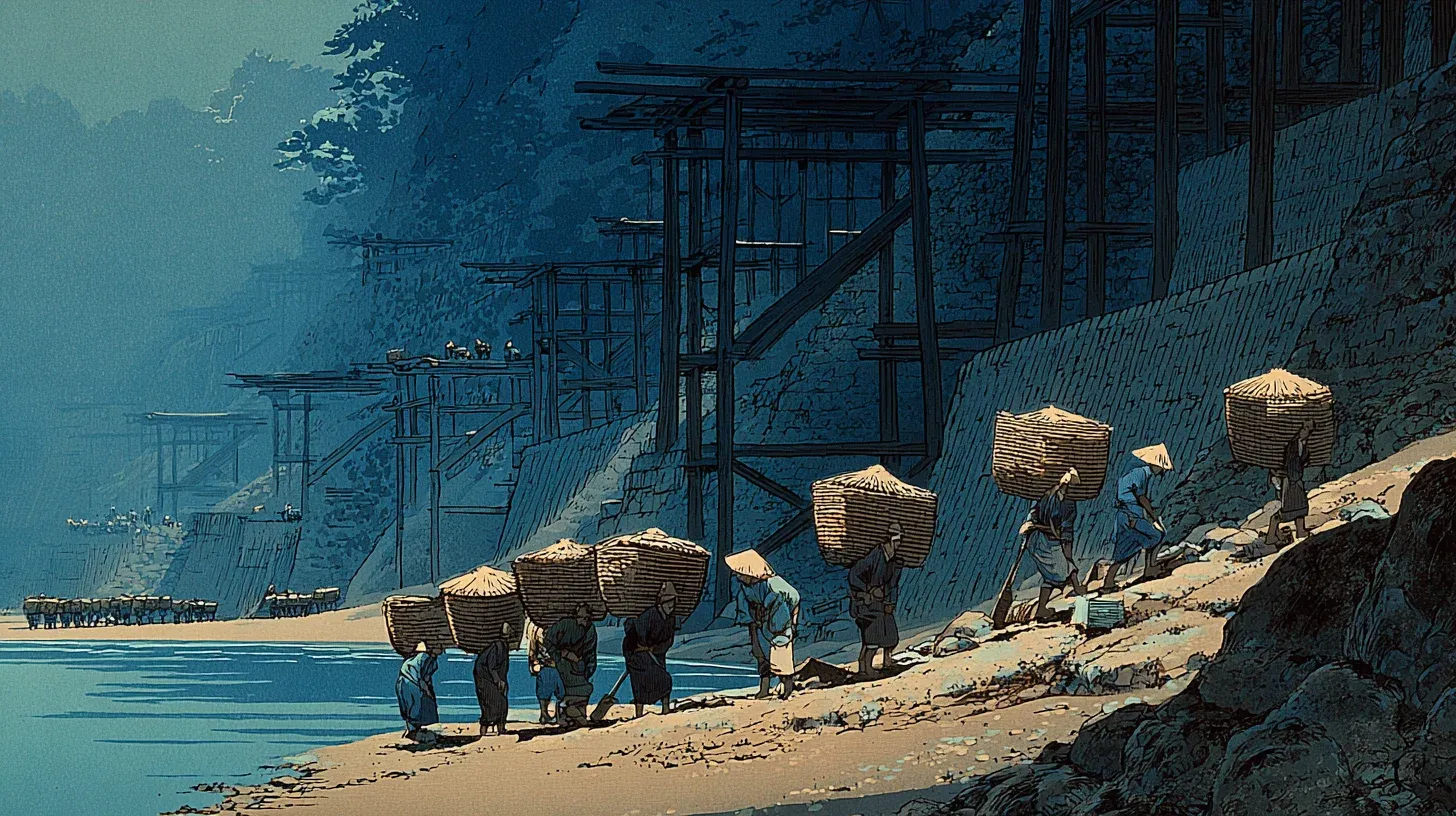
Edo required total terraforming. The Hibiya Inlet ran directly to the foot of the castle hill, blocking civilian expansion, so Ieyasu ordered the complete decapitation of Kanda Hill, a massive northern plateau, using its earth to bury the coastal marshes.
This brutal excavation created the Kanda River, securing fresh water and a major transport artery. Canals like the Dōsan-bori and Onagi-gawa sliced through the mud to move grain and salt directly into the city center. From 1603 to 1639, Edo Castle expanded via tenka bushin—a system of mandatory construction levies that forced daimyō (regional warlords) to fund the project or face bankruptcy.
The main keep, a 40-meter behemoth finished in 1638, burned to ash in the Meireki Fire of 1657. It was never rebuilt; by then, the fortress was no longer needed to terrify the nation.
Five Roads, One Nation
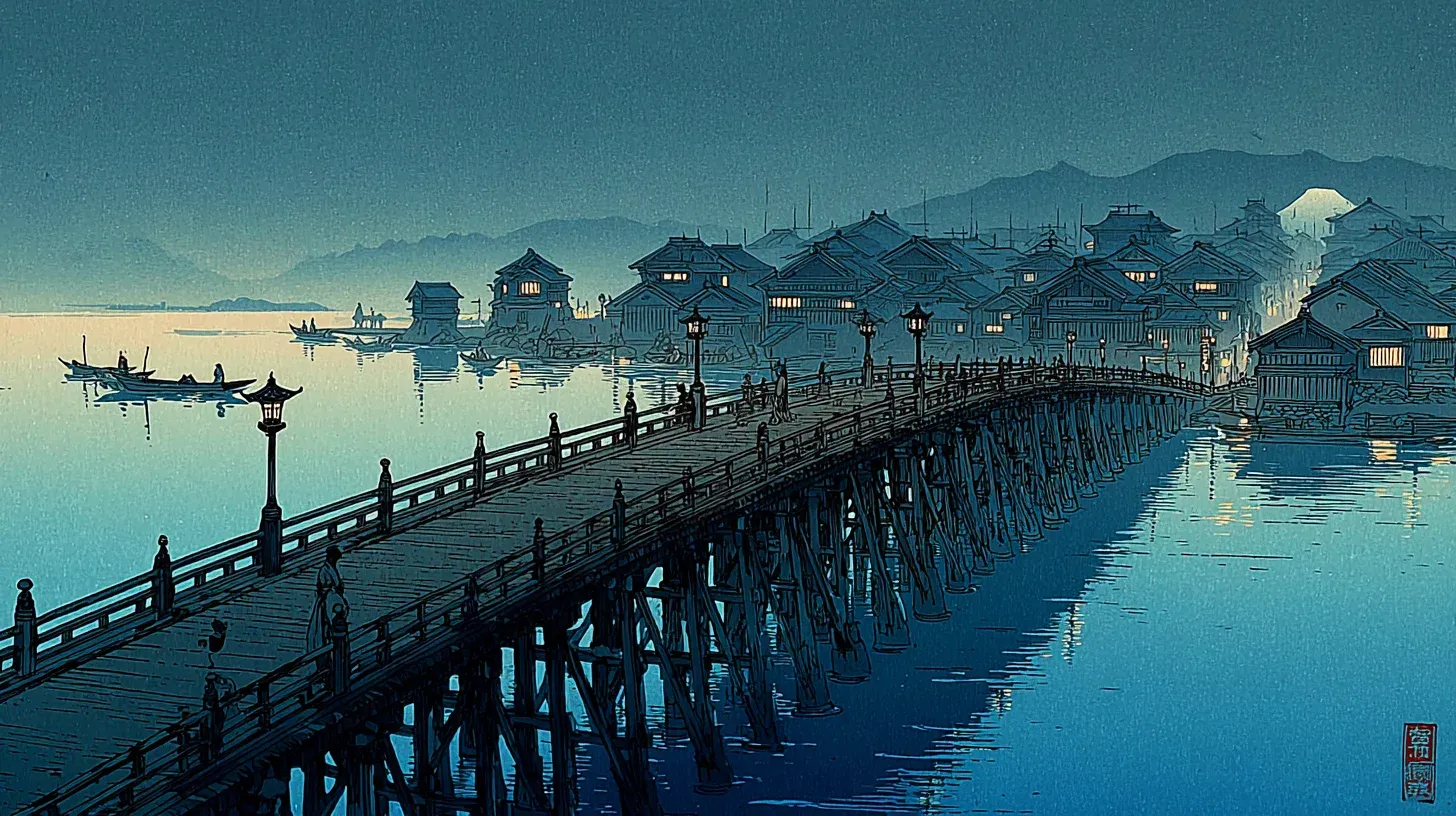
Control demanded physical connectivity. From Nihonbashi, a wooden bridge erected in 1603, five arterial highways—the Gokaidō—stretched across Honshū. The Tōkaidō hugged the coast to Kyoto; the Nakasendō cut through the spine of the mountains; the Nikkō, Ōshū, and Kōshū Kaidō linked the capital to northern and western strongholds.
These roads carried more than trade; they were instruments of fiscal drainage. In 1635, the third shōgun, Tokugawa Iemitsu, codified sankin-kōtai (alternate attendance). Every daimyō had to live in Edo every other year, leaving their families behind as permanent political hostages.
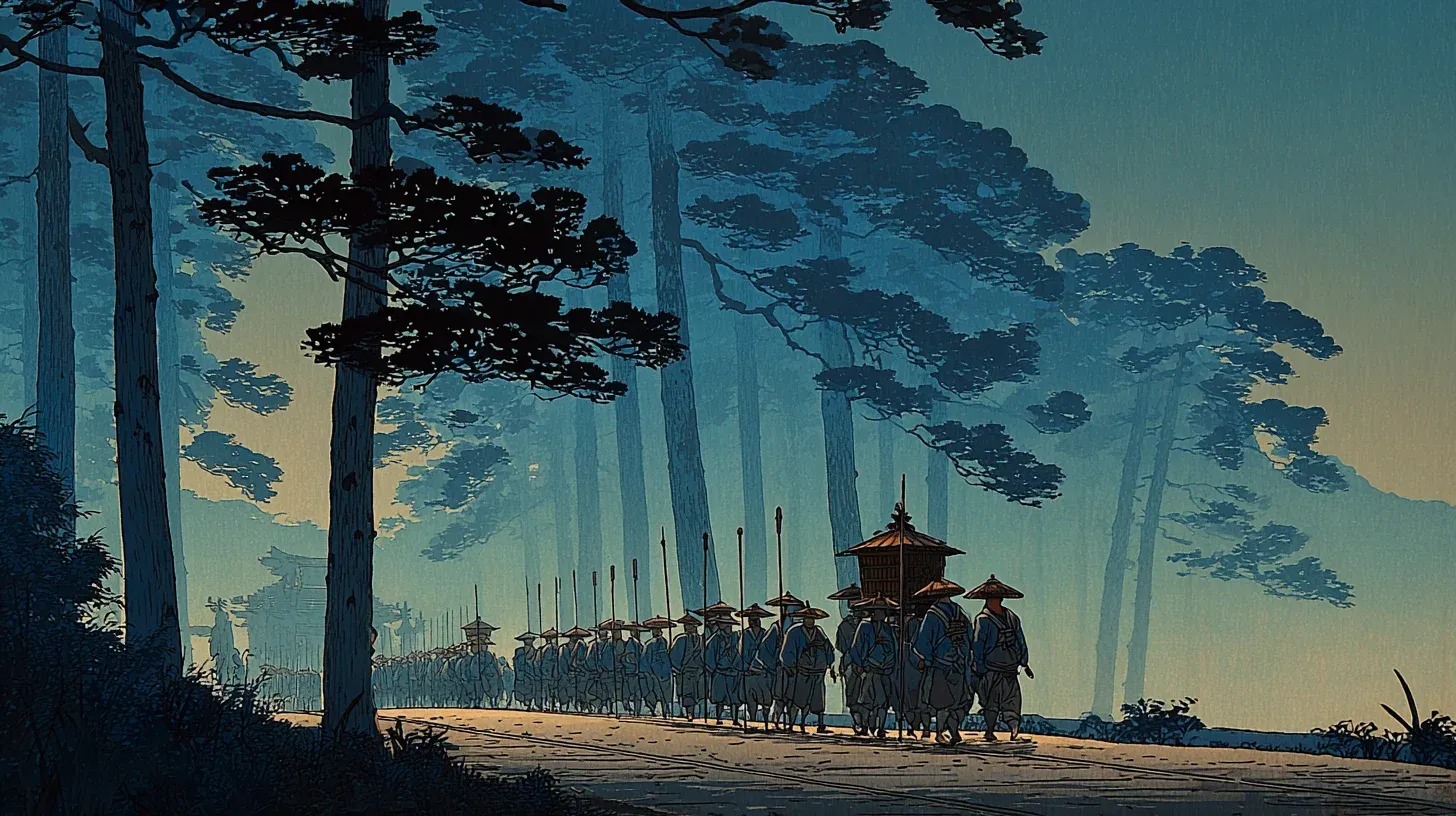
The immense cost of maintaining dual courts and marching massive entourages across the Gokaidō consumed up to 70–80% of a domain’s revenue. Ieyasu’s grandson institutionalized the very hostage system that had imprisoned Ieyasu’s own childhood.
The Swamp That Became the World
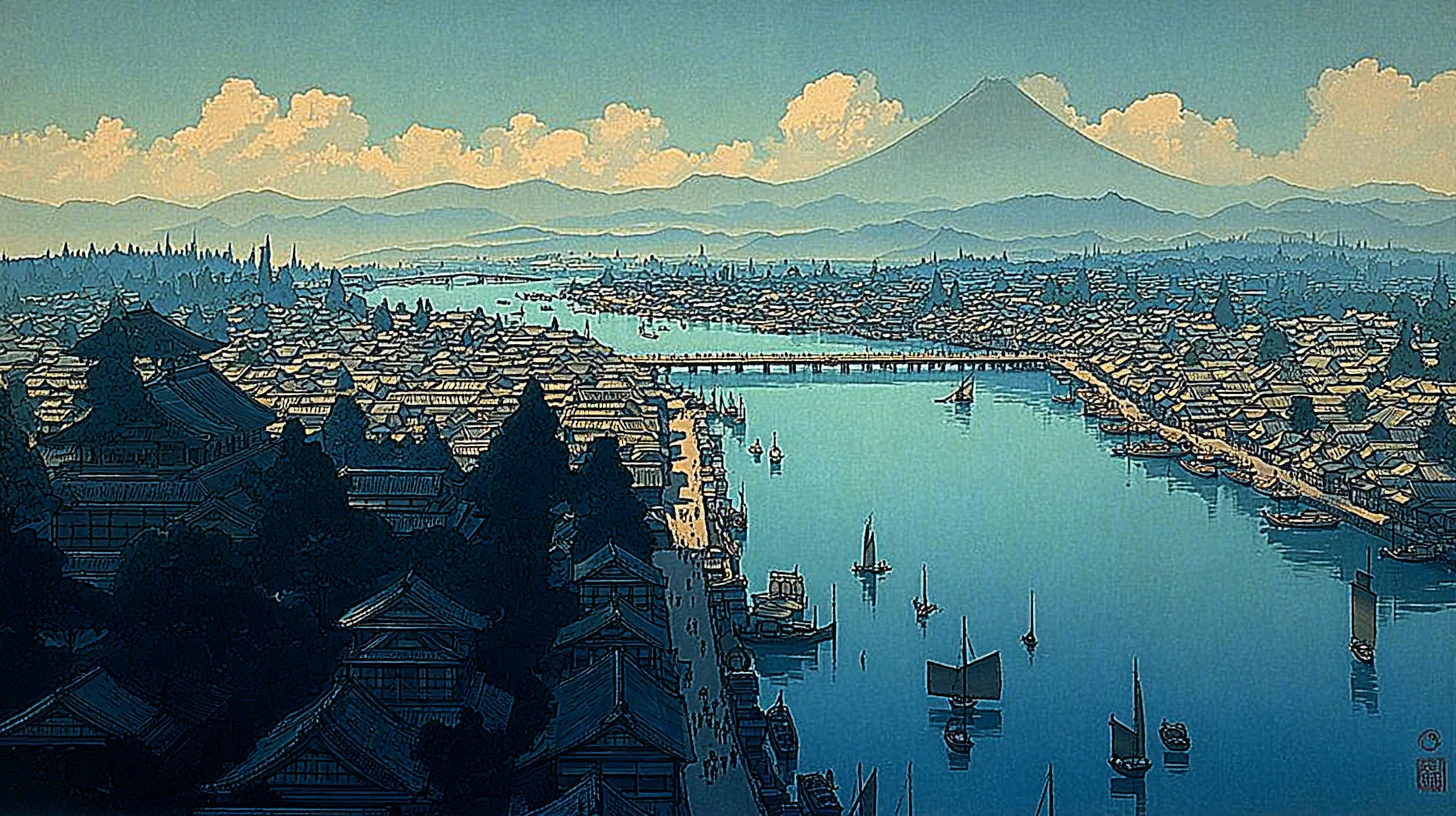
By 1700, Edo’s population breached one million. Paris held roughly 500,000; London crawled at 600,000. No urban center in human history had ever concentrated so many lives in one space.
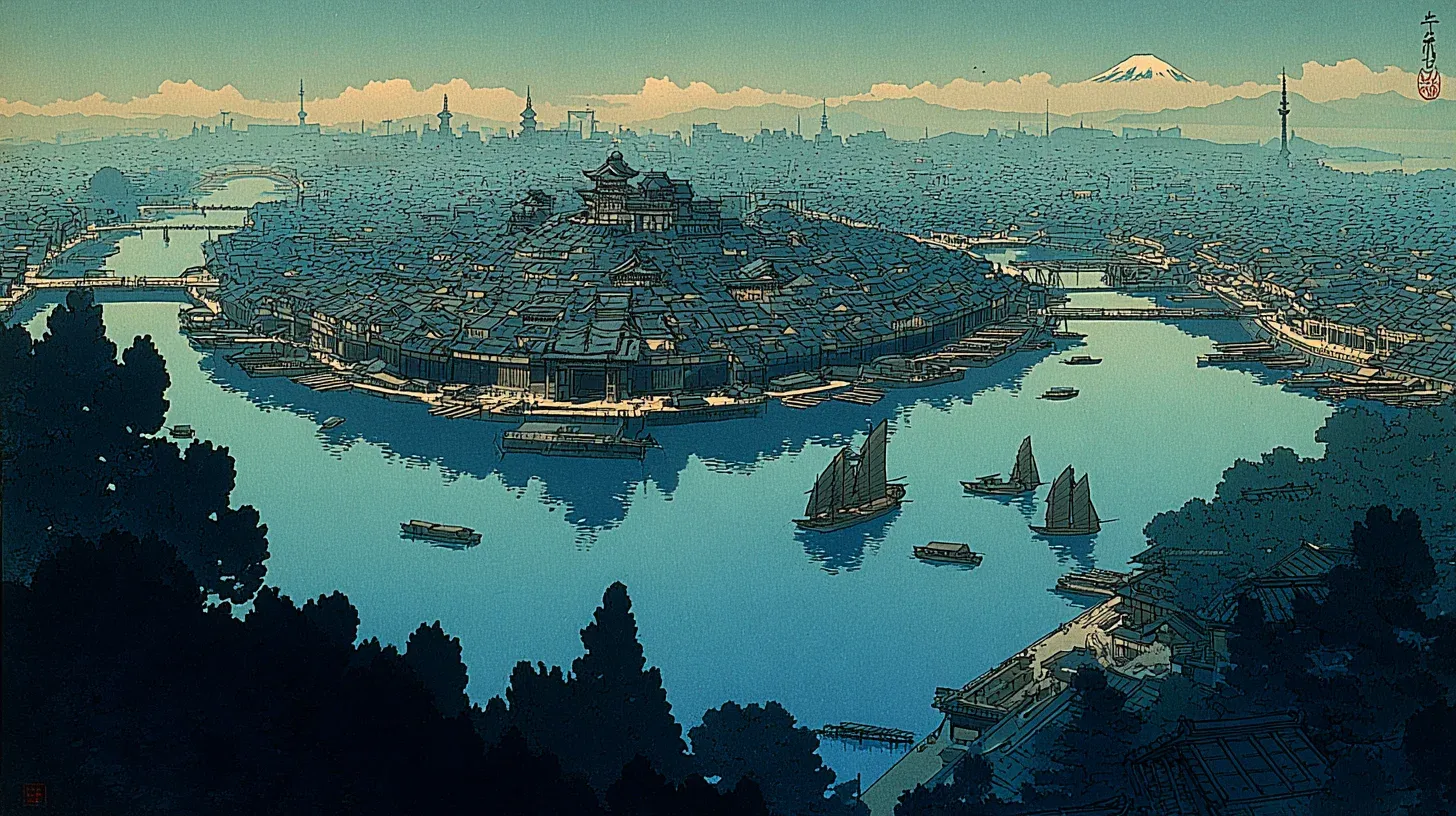
The mosquito-infested bog had vanished beneath an intricate grid of waterways, bridges, and dense cedar neighborhoods. Today, 37 million people commute across the concrete lines of modern Tokyo.
The stone walls of the Imperial Palace moat remain, mortarless and silent, holding back the weight of a city that weaponized its own mud.
Continue Reading
If this story drew you in, you might also enjoy:
- Life in Edo: The City That Beat London by Half a Million People — what daily life actually looked like inside the city Ieyasu built.
- Asakusa: Sensō-ji Was Founded in 628 — the temple district that predates Edo by nearly a thousand years.
- Tokyo’s Best Museums Are the Ones Nobody Mentions — including the newly reopened Edo-Tokyo Museum.
FAQ
When was Tokyo founded?
The name “Tokyo” dates to 1868, when the Meiji government seized Edo and renamed it the eastern imperial capital. However, its urban foundation began in 1590 when Tokugawa Ieyasu established his administrative base there.
Why did Tokugawa Ieyasu choose Edo?
Exiled to the Kanto region by Toyotomi Hideyoshi in 1590, Ieyasu selected Edo for its precise geographic utility: a defensible hill for his fortress, immediate deep-water bay access, and a river network easily converted into transport canals.
How big was Edo compared to European cities?
By 1700, Edo’s population surpassed one million, making it the largest city on Earth. For context, London reached one million around 1800, and Paris did not hit that milestone until the early 19th century.
What were the Five Highways of Edo?
The Gokaidō were five strategic roads radiating from the Nihonbashi bridge: the Tōkaidō (coastal route to Kyoto), the Nakasendō (mountain route to Kyoto), the Nikkō Kaidō (to Nikkō’s shrines), the Ōshū Kaidō (to the far northeast), and the Kōshū Kaidō (west to Kai Province).
What is sankin-kōtai?
Formalized in 1635, sankin-kōtai (alternate attendance) forced daimyō to rotate annually between their domains and Edo. Leaving their families in the capital as permanent hostages, the system neutralized rebellion by financially bankrupting regional lords through mandatory travel expenditures.
Sources
- Tokugawa Ieyasu — Encyclopedia Britannica
- Battle of Sekigahara — Encyclopedia Britannica
- Sankin-kōtai — Encyclopedia Britannica
- Edo Castle — World History Encyclopedia
- Nihonbashi — National Diet Library of Japan
- Historical Review of Reclamation in Tokyo Bay — Journal of Geography (J-STAGE)