Showing Posts From
Edo period
Here
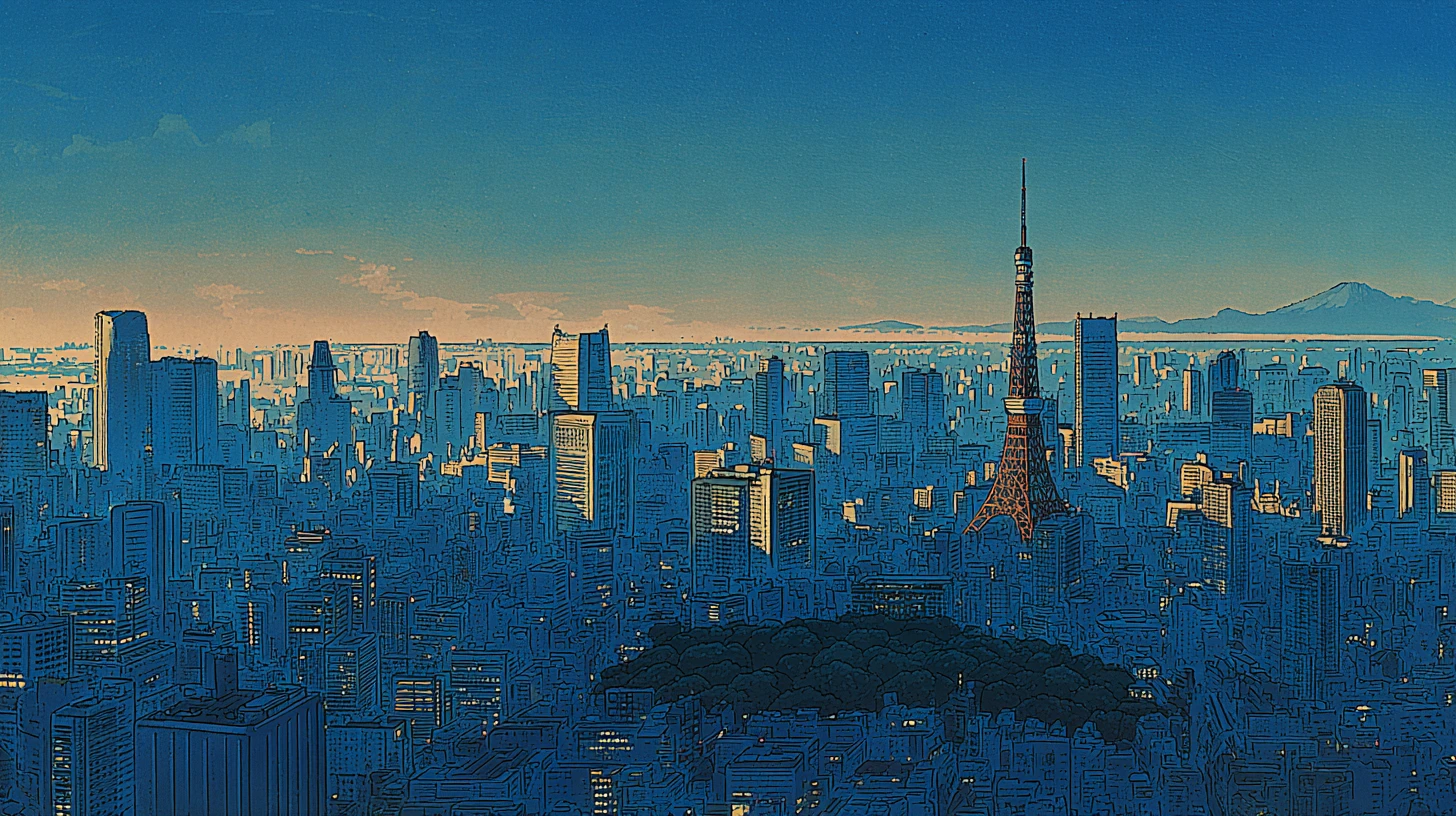
Tokyo: The Complete Travel Guide — Built on a Swamp 430 Years Ago, Now Home to 37 Million
In 1590, an exiled samurai was given a worthless swamp as punishment. He built a city. Today it holds 37 million people, the world's busiest train station, and six visible historical layers. Here's how to see all of it — district by district, century by century.
Hakone: The Checkpoint That Ran Japan for 250 Years
Japan's key highway checkpoint ran here for 250 years — longer than the US has existed. Same mountain pass: active volcano, finest onsen, Fuji views. One hour from Tokyo.
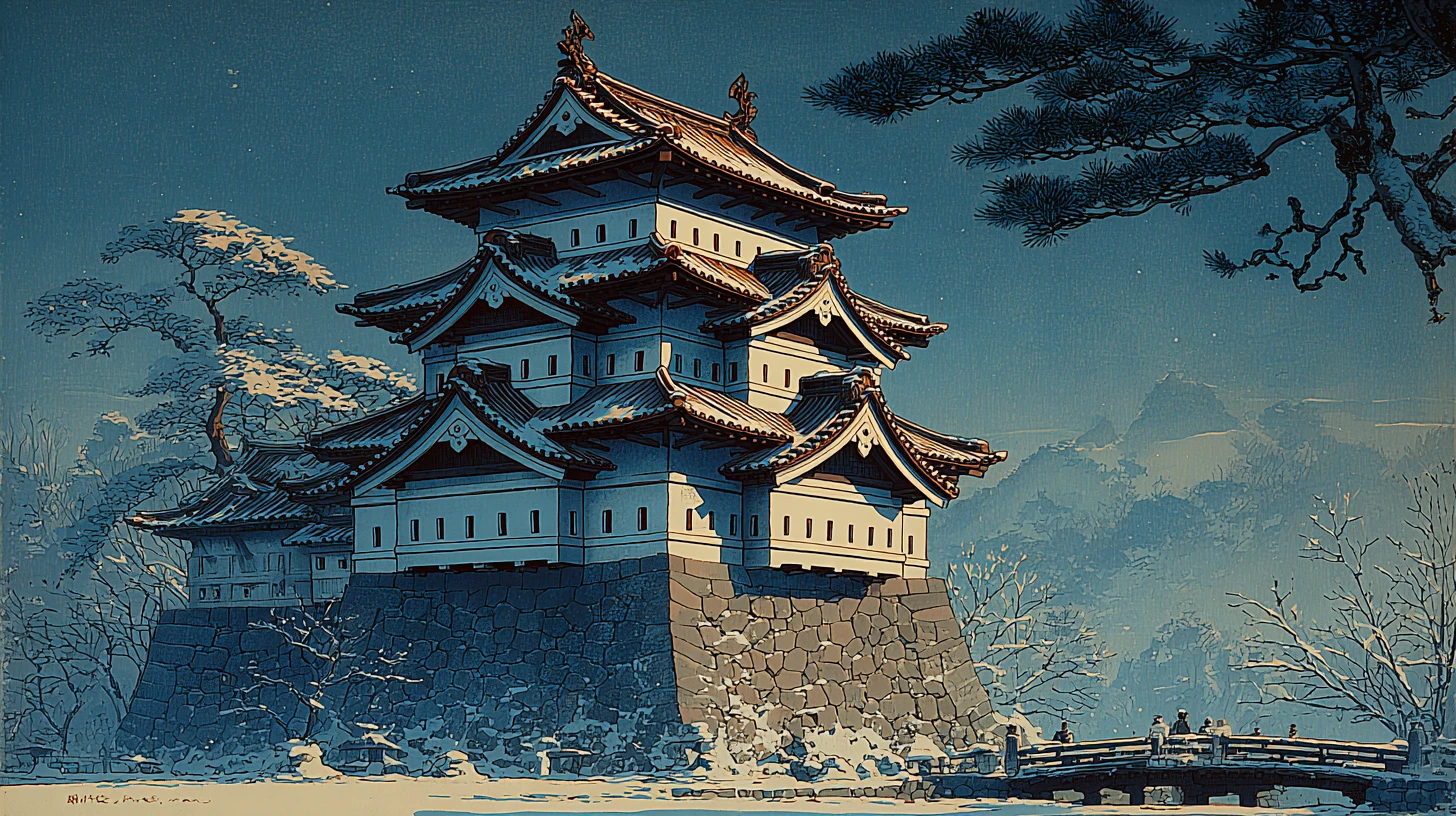
The Samurai Who Would Not Yield: Aizu-Wakamatsu and the Boshin War
In October 1868, nineteen teenage samurai climbed a hill above Aizu-Wakamatsu and chose death, believing their castle had fallen. It hadn't.
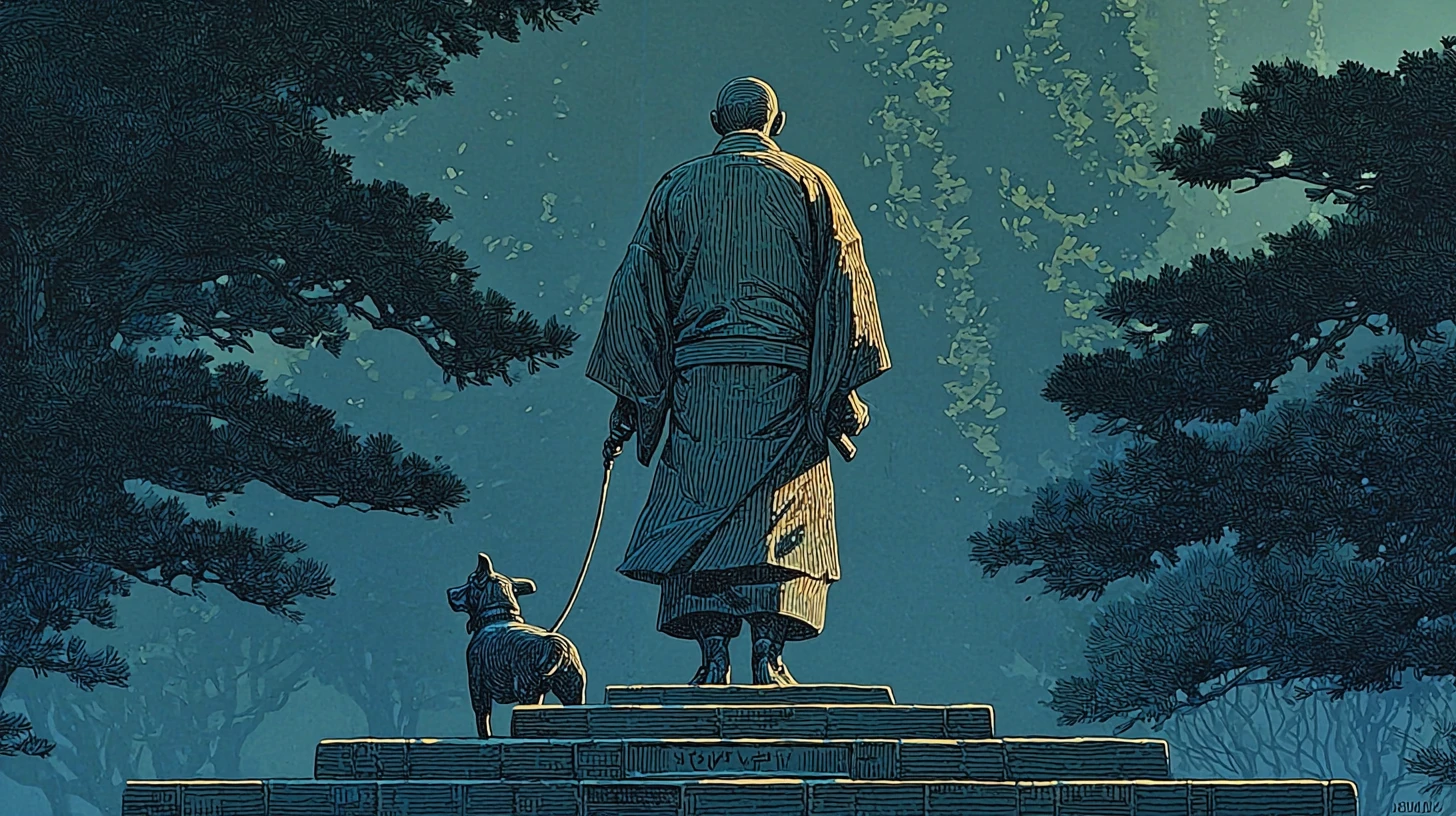
Ueno: The Last Stand of the Shōgitai, Japan's First Public Park, and the Akihabara Next Door
A complete guide to Ueno — the hill where the Tokugawa shogunate made its last stand in 1868, where Japan opened its first public park in 1873, and where the country's oldest national museum, oldest zoo, and postwar black market all still survive within walking distance.
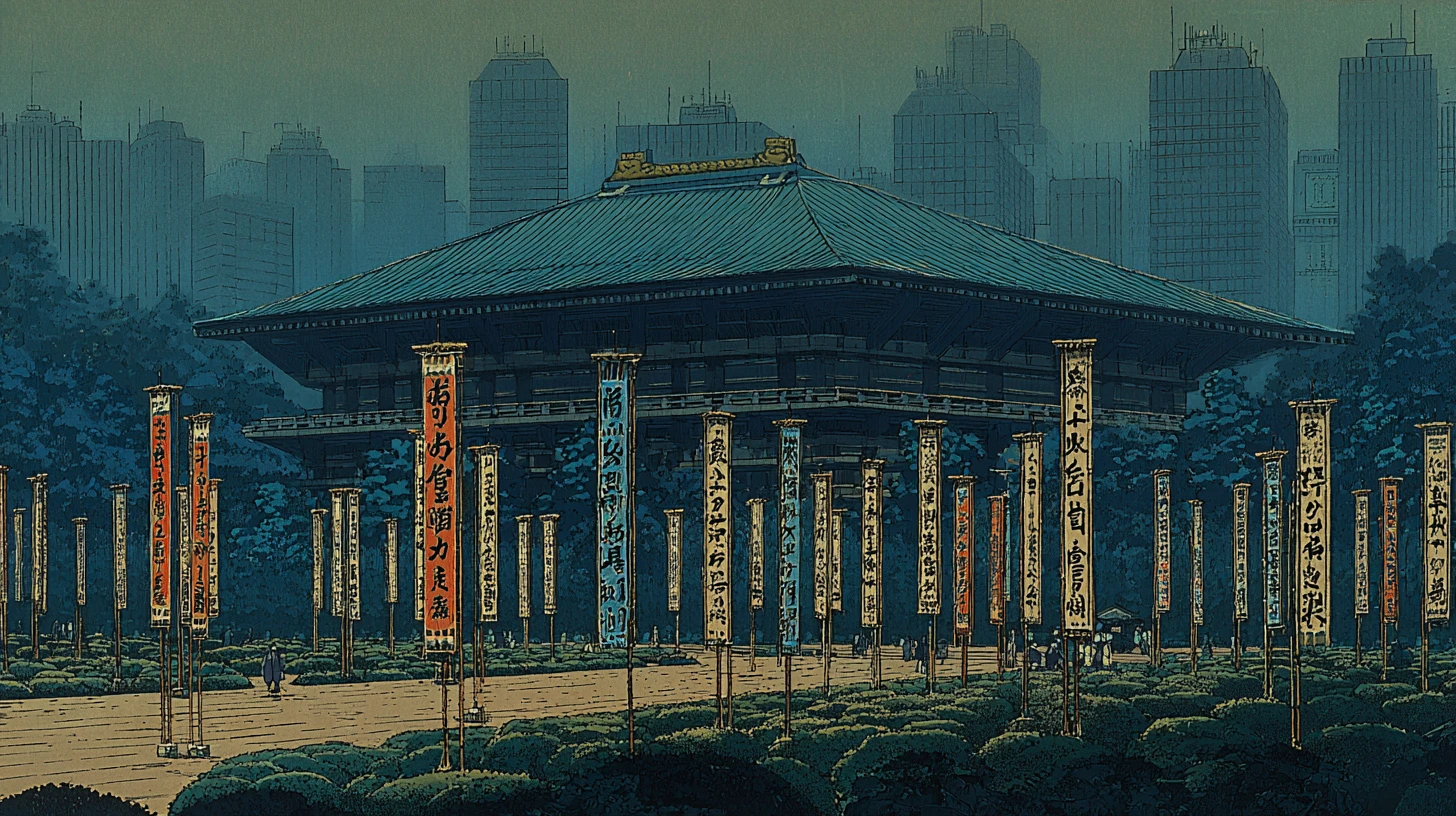
Ryōgoku: Tokyo's Sumo Heart, Hokusai's Hometown, and the District Where Edo Still Lives
A complete guide to Ryōgoku — Tokyo's sumo headquarters, the birthplace of Hokusai, the temple built after the 1657 fire, and the only district in Tokyo where Edo culture is still a working profession.
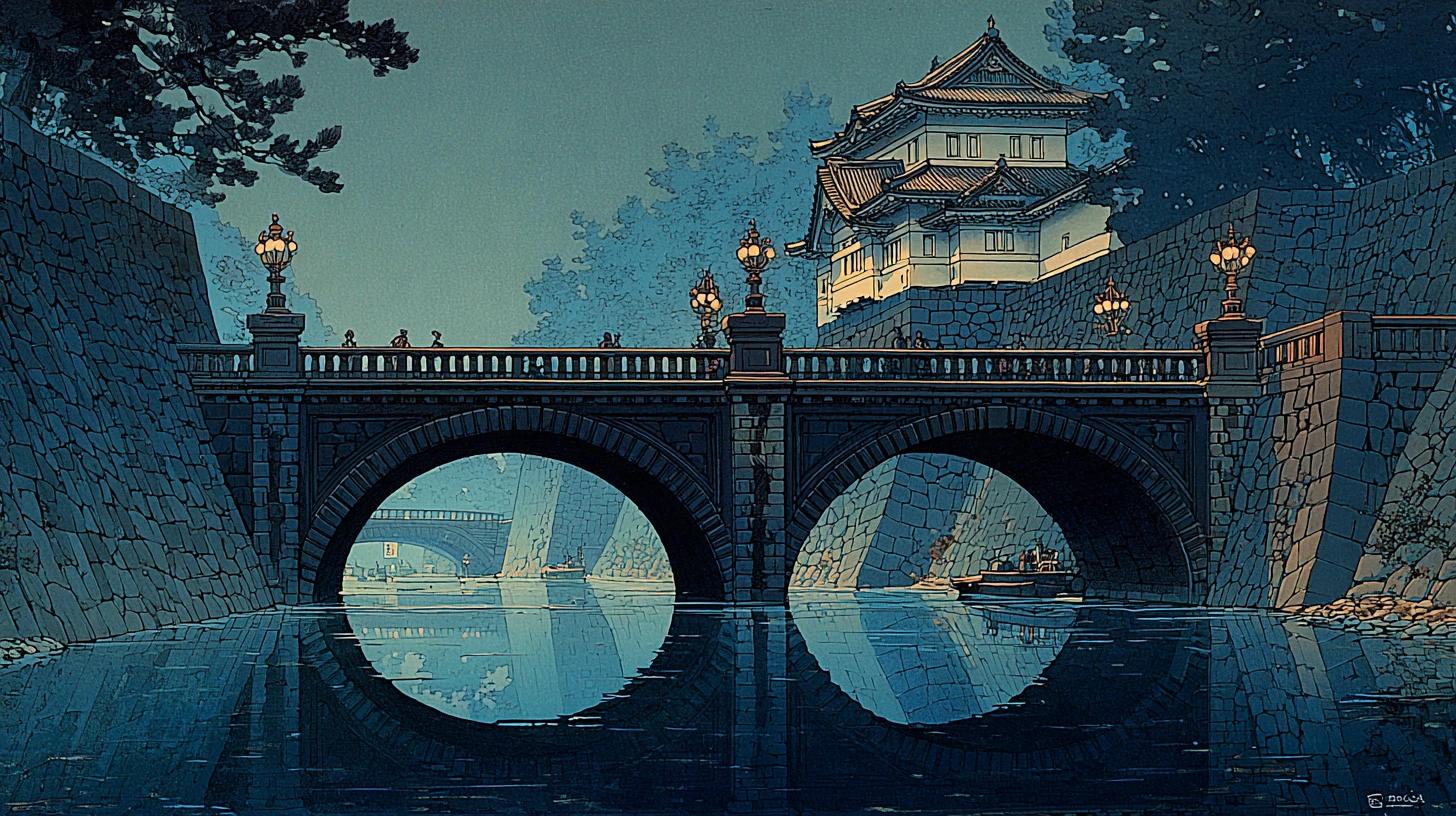
The Imperial Palace Is the Surviving Outer Wall of the Largest Castle Ever Built — And Most Visitors Walk Right Past It
Edo Castle was once the largest castle ever built. Tokyo's Imperial Palace today is its surviving outer wall — plus the 5km loop locals run counterclockwise every dawn. Here's how to walk 400 years of Japanese history for free.
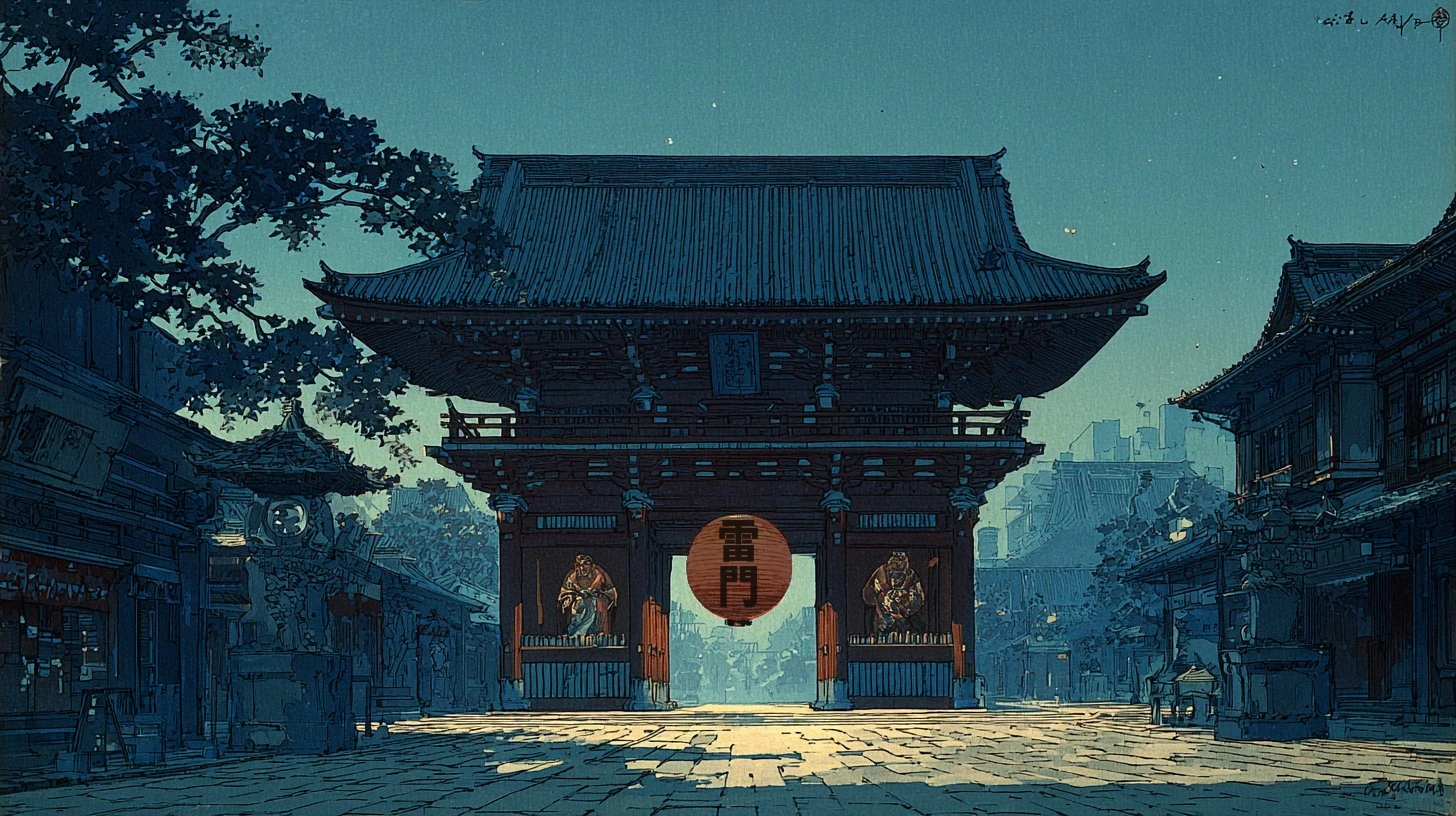
Asakusa, Tokyo: Sensō-ji Was Founded in 628 — But You Need to Arrive Before 8 AM to Actually See It
Asakusa is the most photographed temple district in Tokyo — and most visitors never see it. Sensō-ji, founded in 628 (predating Edo by nearly a thousand years), looks like two completely different places at noon and at dawn. Here's a guide to seeing both — with the one timing rule that changes everything.
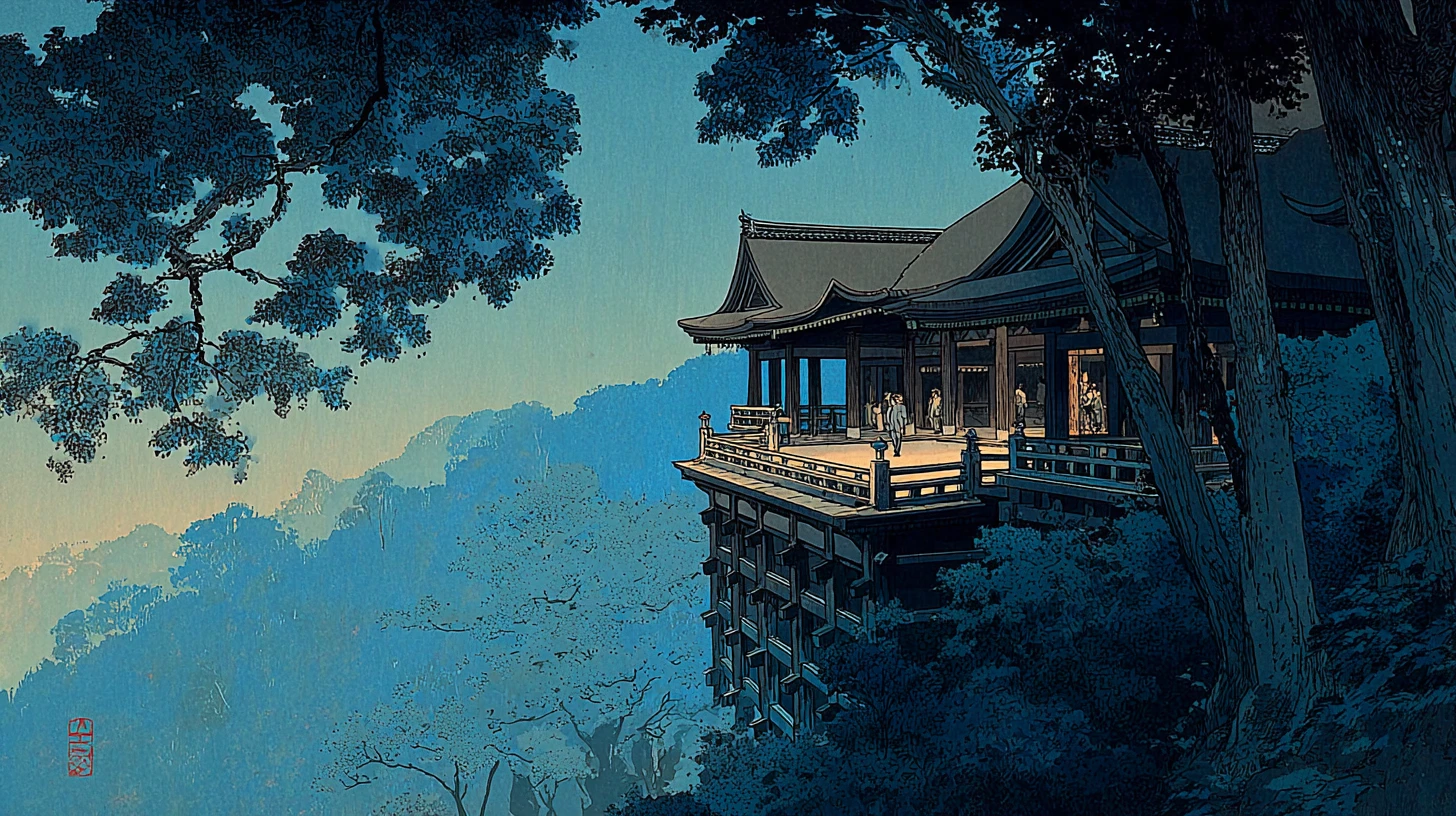
Kiyomizu-dera, Kyoto: The 13-Meter Wooden Stage People Actually Used to Jump From (And When to Visit Without the Crowds)
Built in 778 without a single nail, Kiyomizu-dera's wooden stage hangs 13 meters above the hillside — and gave Japan an idiom still used today: 'to jump from Kiyomizu's stage' means to take a brave leap. Here's how to visit before the crowds, what the three sacred waterfalls really do, and what locals quietly admit about this temple.
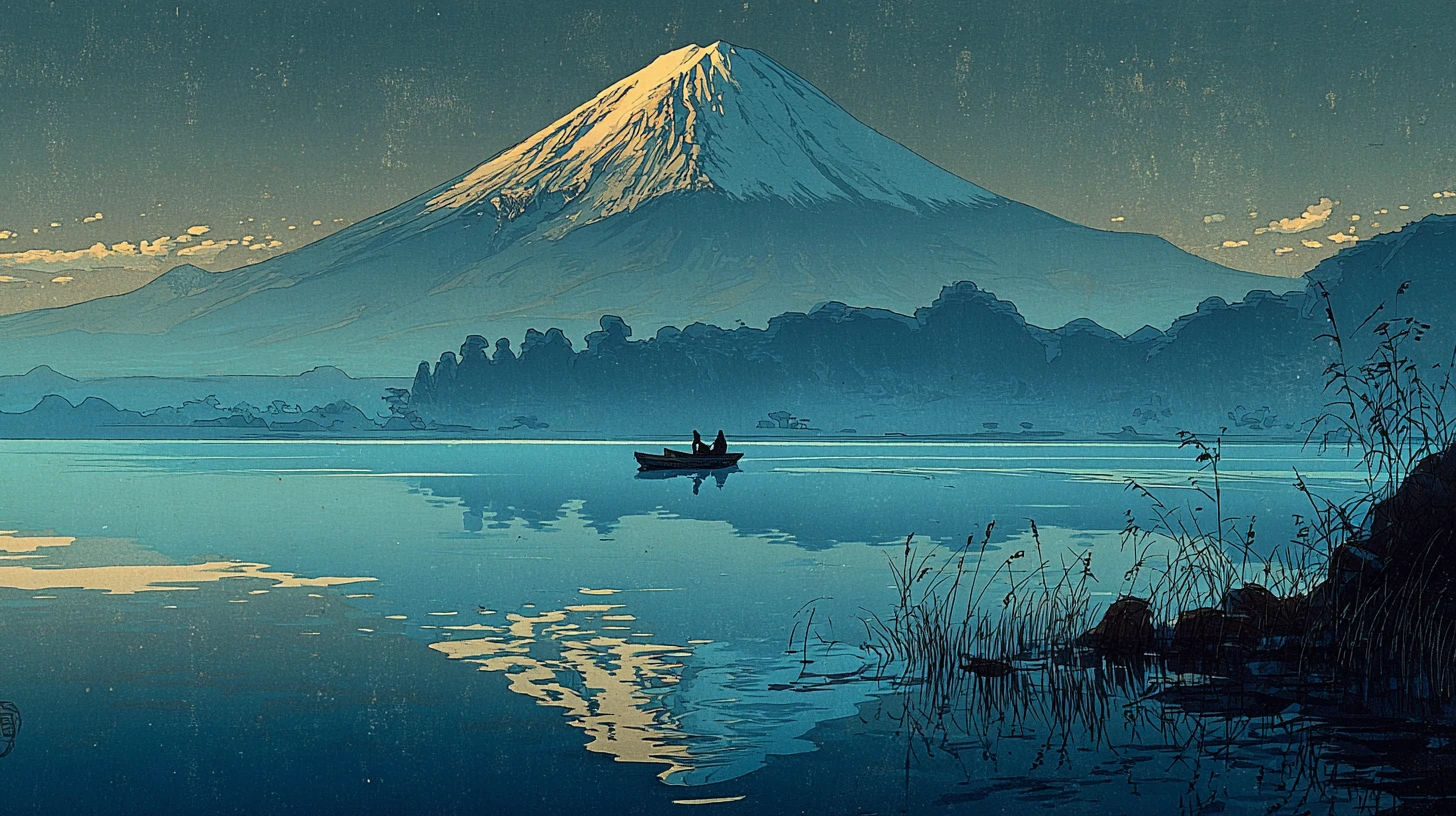
Mount Fuji in Art: Why the Most Painted Mountain in Human History Has Been Drawn the Same Way for 300 Years
Hokusai's Great Wave is the most reproduced image in the history of art — and the small mountain in the background is the same Mount Fuji you can still see from Tokyo. A guide to Hokusai's Thirty-Six Views, Hiroshige's Tōkaidō road, and Kawase Hasui's quiet revival — and what three centuries of artists kept seeing in the same triangular silhouette.
Tokyo's Best Museums Are the Ones Nobody Mentions — Including a Free Building Full of Dinosaurs Next to Tokyo Station
Tokyo has more museums than Paris, and most visitors never see them. From the newly reopened Edo-Tokyo Museum (March 2026) to a free building next to Tokyo Station packed with dinosaur skeletons and antique scientific instruments, here are the cultural treasures most travel guides skip — and exactly how to find them.
Japanese Food History: How Monks, Tea Masters, and a Chemistry Professor Built the World's Most Restrained Cuisine
Tokyo has more Michelin stars than any city on Earth — more than Paris, more than New York, more than London and Hong Kong combined. The path from Buddhist temple kitchens to that achievement runs through monks forbidden to eat meat, a scientist who discovered umami in his wife's soup, and four centuries of cooks learning to do less, not more.
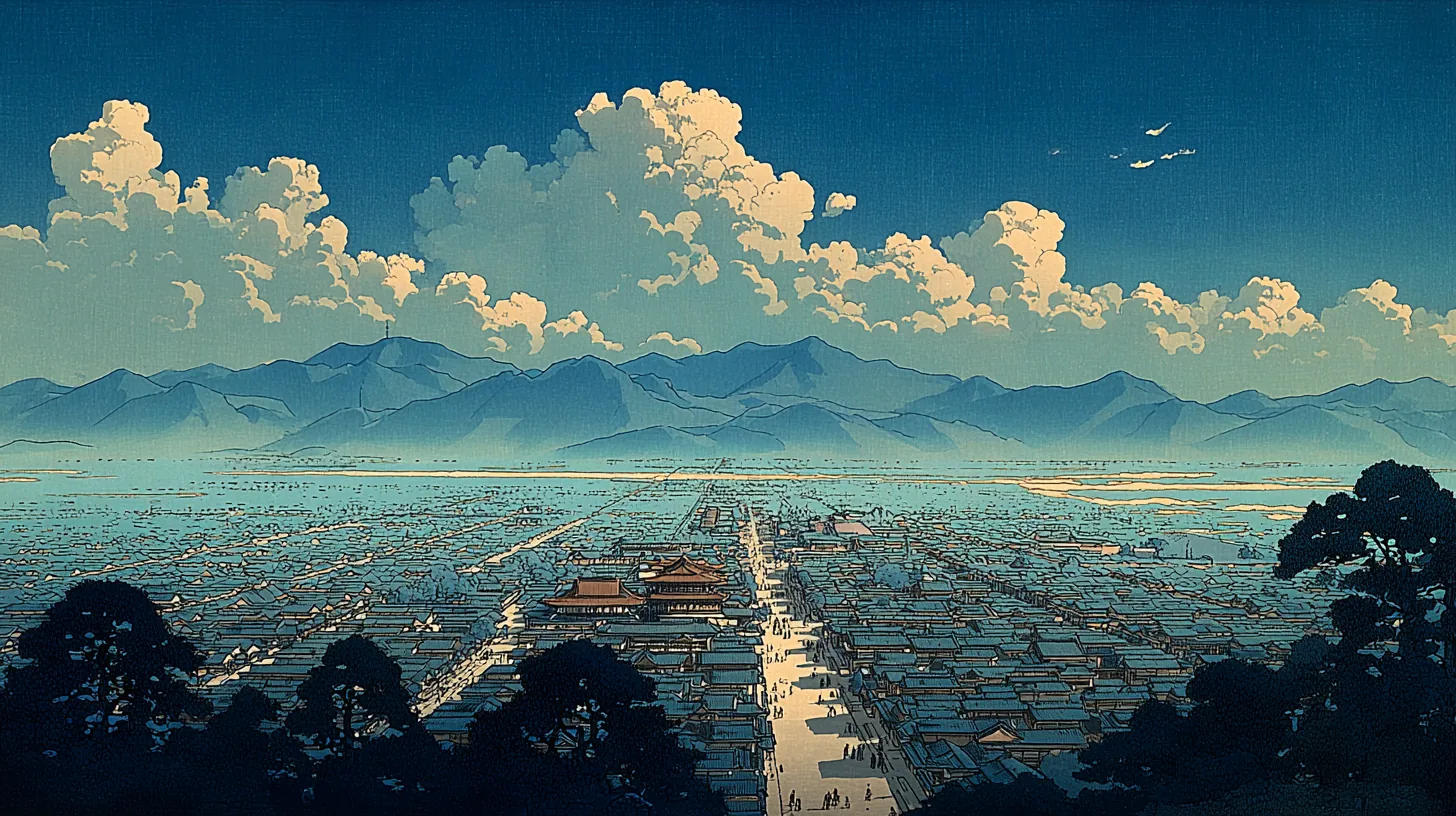
Kyoto Was Japan's Capital for 1,074 Years — Longer Than Rome, Survived a World War, and Almost Was Atomic-Bombed in 1945
Rome ruled for five centuries. Constantinople for a thousand. London for nine hundred. Kyoto served as Japan's imperial capital for 1,074 years — from 794 to 1868 — and was never conquered, never renamed, and was on the WWII atomic bomb target list before one American official quietly removed it. Here's the full story, including why Kyoto stopped being Japan's capital in 1868 — and why some still consider it a co-capital today.
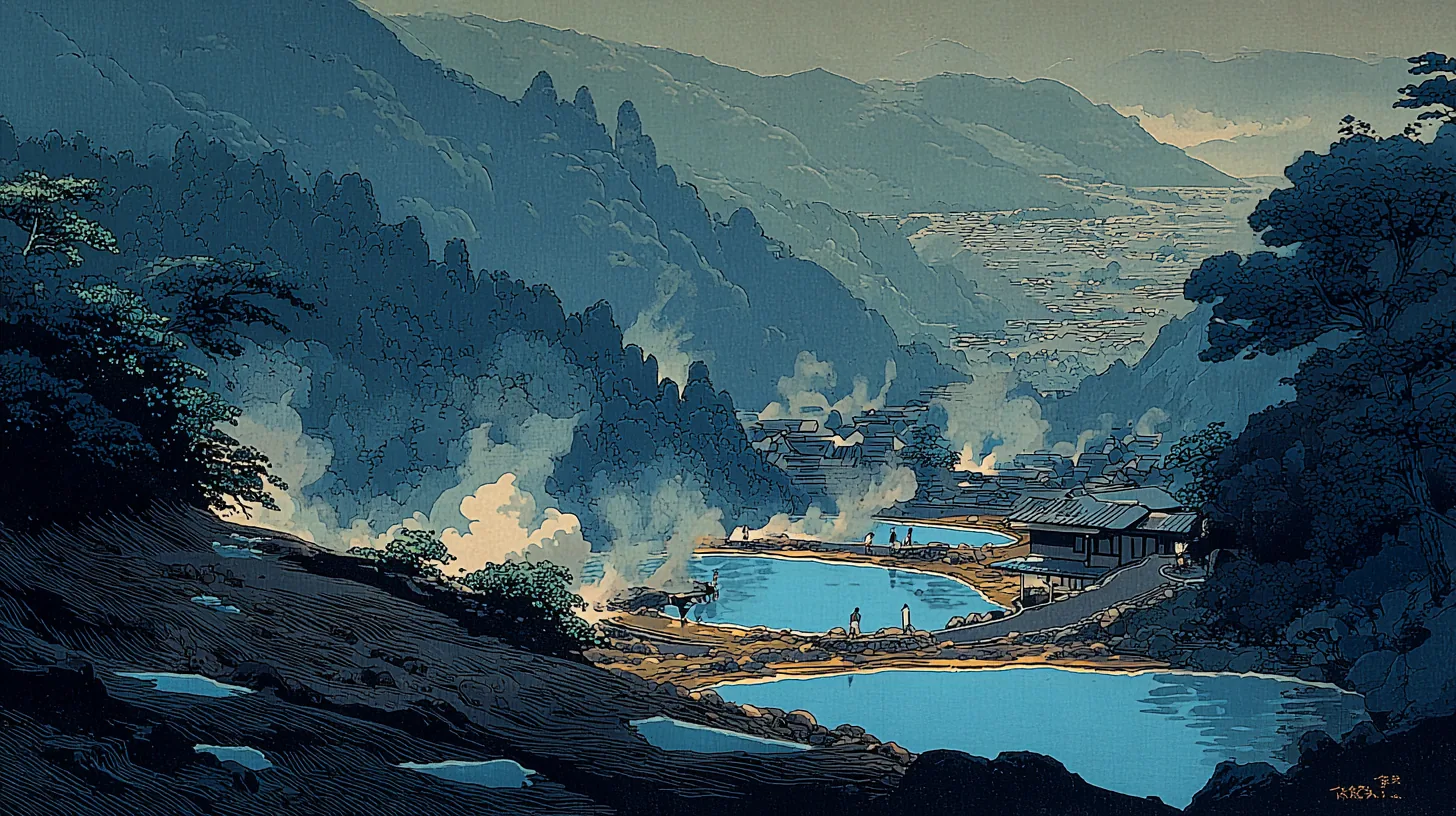
Japan Has 27,000 Hot Springs. Iceland Has 800. Here's What's Happening Underground.
Iceland is famous for hot springs. Japan has thirty-three times more — over 27,000, discharging 2.6 million liters of heated water every minute. The reason: four tectonic plates colliding beneath the archipelago, and 3,000 years of culture built around the result.
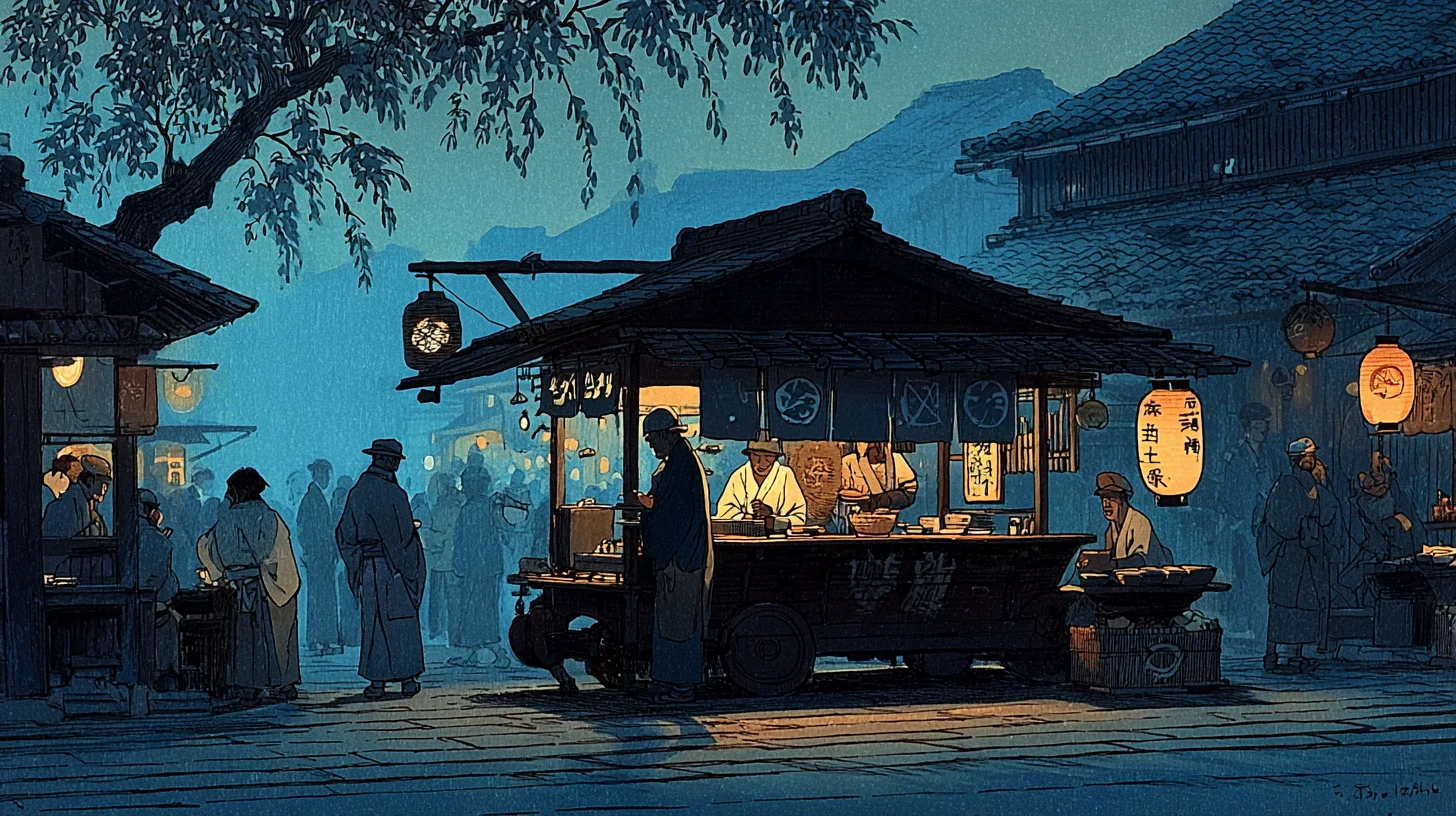
Life in Edo: The City That Beat London by Half a Million People (And Was Made Entirely of Wood)
By 1700, the city we now call Tokyo had a million residents — almost twice London's population — and it was built entirely of wood, paper, and human ingenuity. No glass windows. No stone houses. No carriages. Here is what daily life actually looked like in the world's strangest megacity.
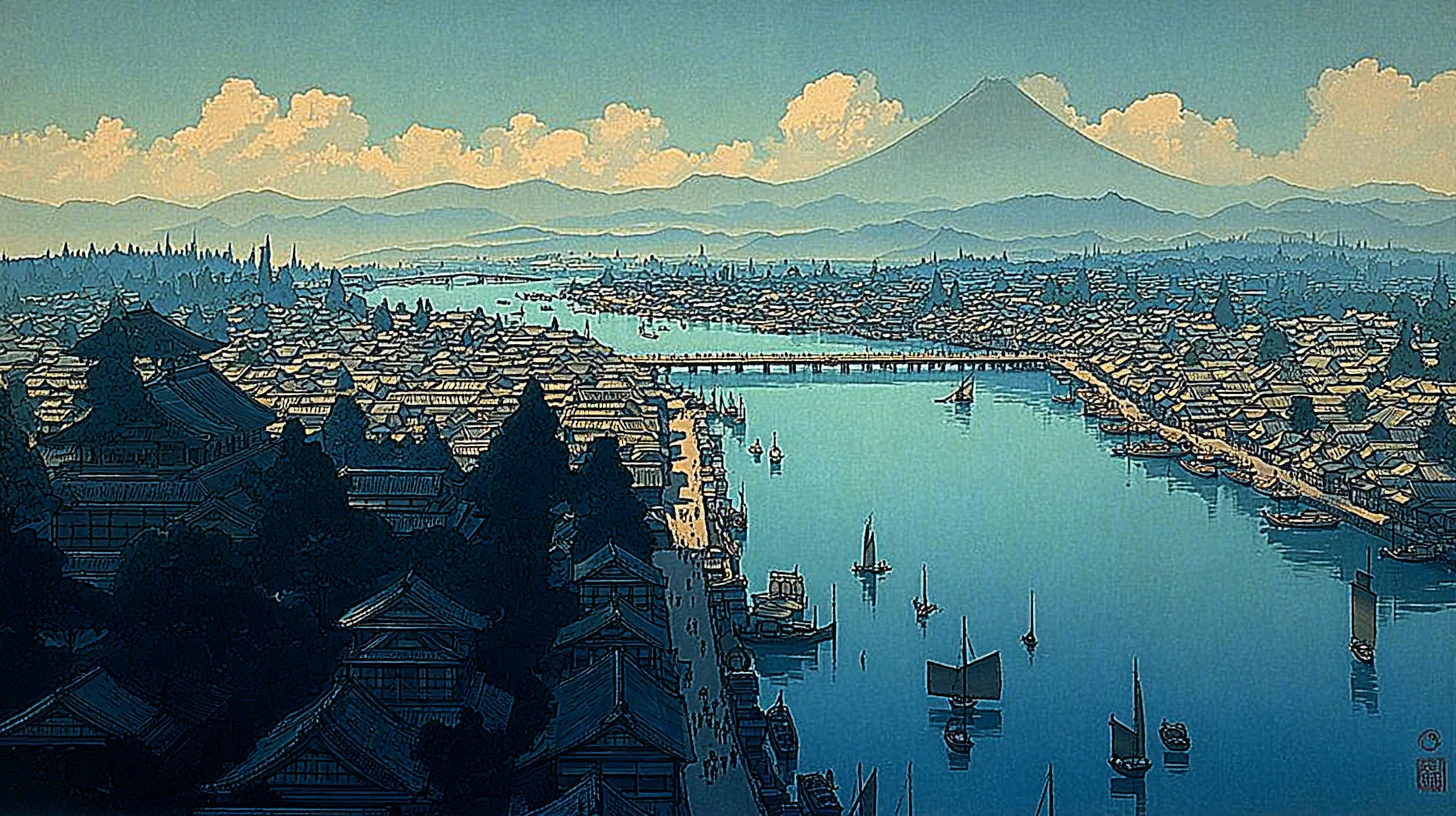
Tokyo Was a Swamp Nobody Wanted — Then One Exiled Samurai Saw What Everyone Else Missed
In 1590, Tokugawa Ieyasu was ordered to take over a worthless tidal swamp on the wrong side of Japan. Four hundred years later, that swamp holds 37 million people, the world's busiest train station, and the most expensive real estate on Earth. Here's exactly how he pulled it off.