Your First Ryokan Stay: Inside the World's Oldest Hotels (Some Have Welcomed Guests for 1,300 Years)
- Sleepy Tales of Japan
- 15 min read
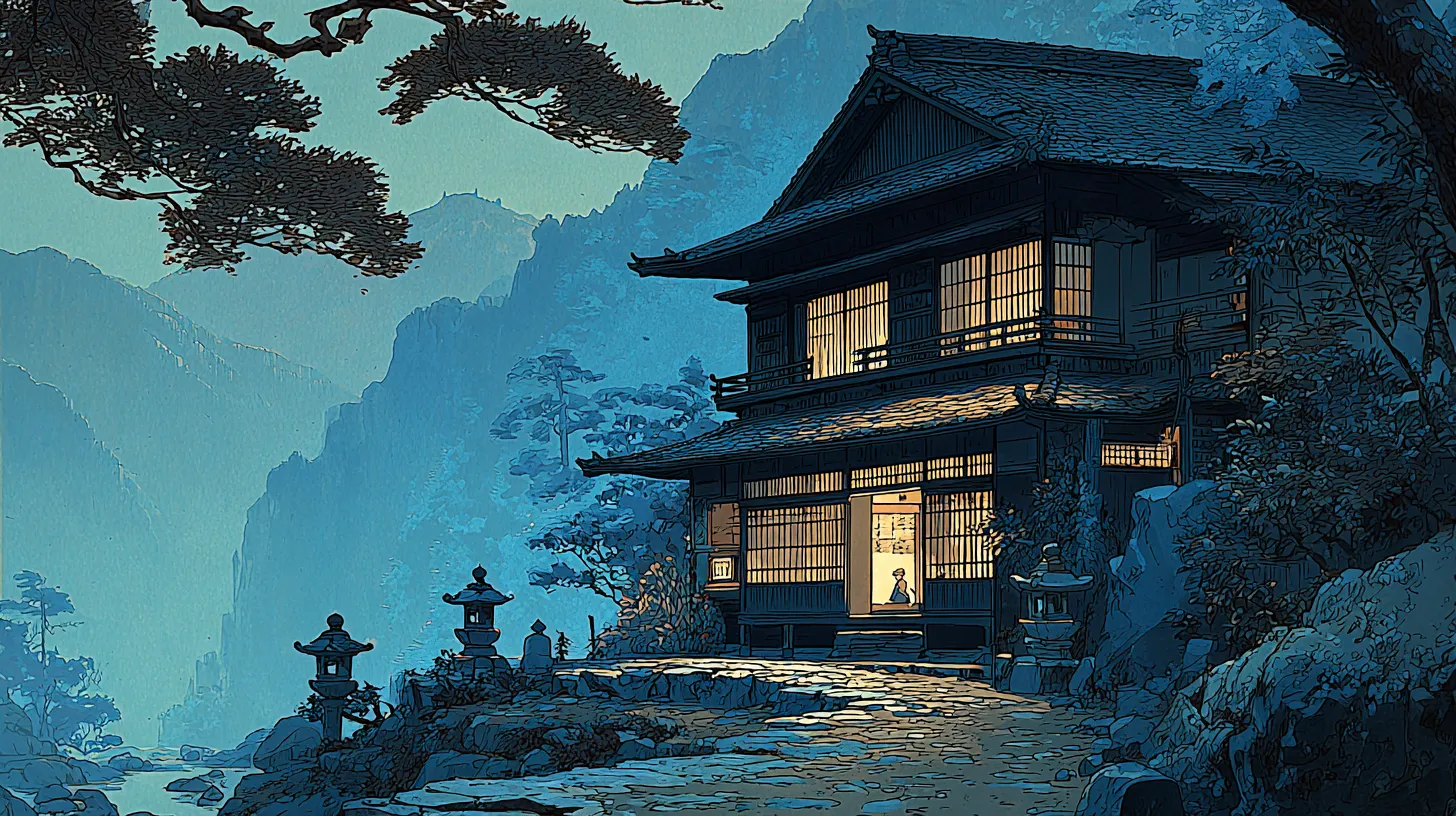
You step through the entrance and slip off your shoes. A woman in a kimono bows, places a pair of slippers in front of you, and leads you down a hallway that smells faintly of cedar and fresh tatami. There is no check-in desk, no key card, no bellhop reaching for your suitcase. Everything about your stay at a traditional Japanese inn — a ryokan — will feel different from any hotel you have ever visited. And that is the entire point.
The oldest ryokan still operating in Japan, Nishiyama Onsen Keiunkan, has been welcoming guests since the year 705 — about 1,320 years and counting — making it, by Guinness World Records, the oldest continuously operated hotel on Earth. The youngest ryokan you might stay in is probably older than your country. This guide walks you through the whole experience, from that first bow at the door to falling asleep on a futon laid out on a straw-mat floor, so nothing catches you off guard.
Table of Contents
Open Table of Contents
- A Tradition Older Than Most Countries
- What Makes a Ryokan Different from a Hotel
- Checking In — Your First Thirty Minutes
- The Onsen — Bathing Etiquette That Actually Matters
- Kaiseki — The Traditional Japanese Dinner That Tells a Story
- Sleeping on Tatami — It’s Better Than You Think
- How Much Does a Ryokan Cost?
- Choosing Your First Ryokan
- Continue Reading
- FAQ
A Tradition Older Than Most Countries
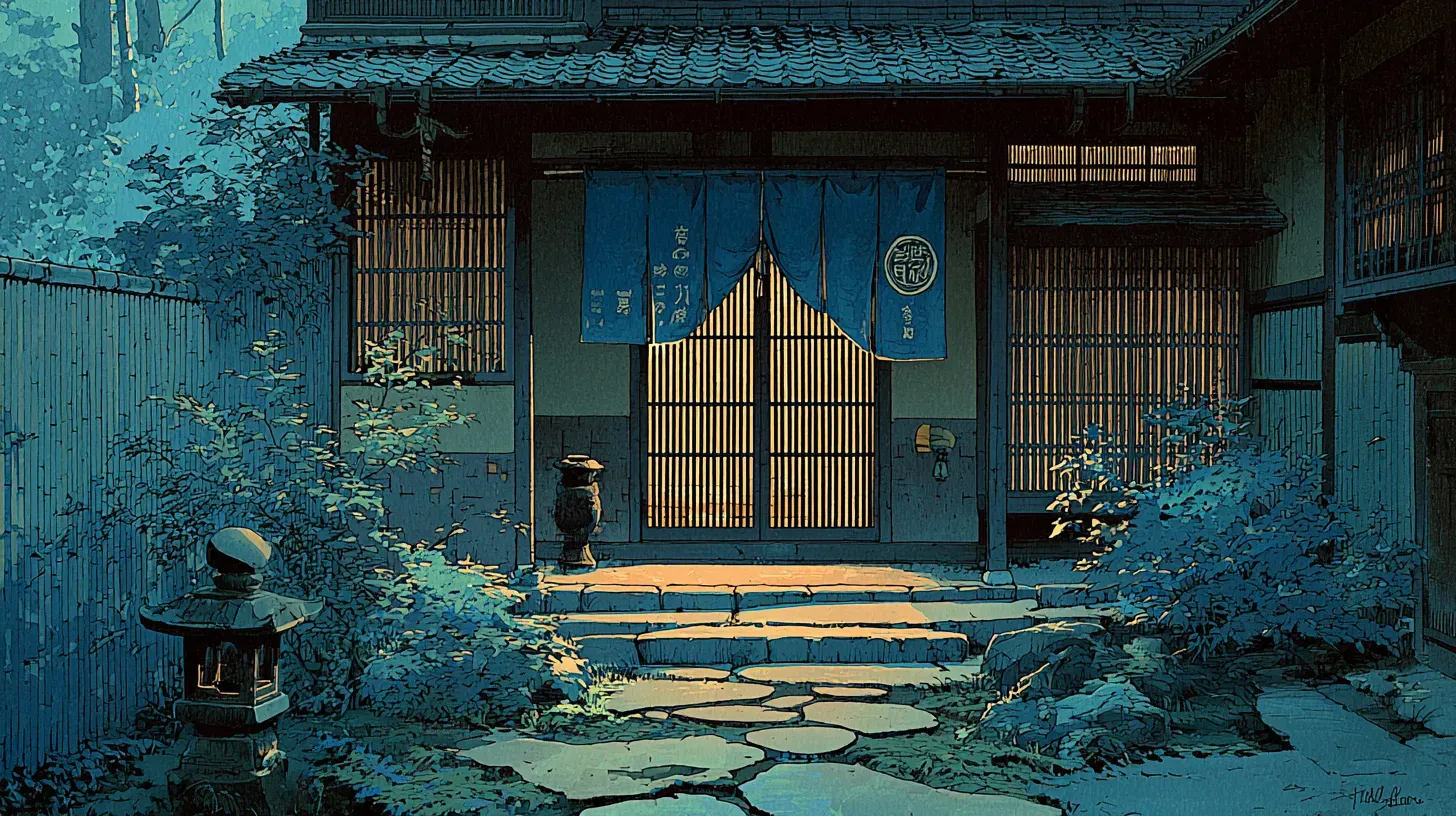
The roots of the ryokan reach back more than thirteen centuries. During the Nara period (710–784), roadside shelters called fuseya offered food, water, and a place to sleep for travelers crossing Japan’s mountain passes. These were simple rest stops, often run by Buddhist temples as acts of charity.
Over the centuries, some of these shelters grew into permanent inns. The oldest continuously operating hotel on Earth — recognized by Guinness World Records in 2011 — is Nishiyama Onsen Keiunkan, a hot-spring ryokan in Yamanashi Prefecture founded in 705 AD by Fujiwara no Mahito. For more than 1,300 years, it was passed down through 52 generations of the same family, often through the Japanese practice of adopting capable successors into the household. To put that in perspective, this inn was already more than three centuries old when William the Conqueror invaded England in 1066.
During the Edo period (1603–1868), the government required feudal lords to travel regularly between their home domains and the capital. This system, called sankin-kōtai, filled the roads with massive processions. Inns called hatago sprang up along major routes like the Tōkaidō, the highway connecting Kyoto and Edo (now Tokyo). Ordinary people started traveling too — pilgrimages to distant shrines became a popular excuse for what was essentially tourism. The hatago laid the groundwork for the ryokan as we know it today: a place where guests eat, bathe, and sleep under one roof, cared for by a dedicated host.
Today, the number of ryokans in Japan has been declining for decades as owners retire without successors — though exact counts vary depending on how “ryokan” is defined. The ones that remain tend to be the best — places that have earned their survival through quality, tradition, or both.
What Makes a Ryokan Different from a Hotel
A ryokan is not a hotel with Japanese decoration. The experience is fundamentally different in ways that matter.
The room. You will not find a bed. The floor is covered in tatami — thick mats woven from rush grass — and the room is divided by sliding paper screens called shōji. There may be a tokonoma, a small alcove displaying a scroll, a flower arrangement, or a seasonal ornament. The room smells like grass and wood.
Your host. In many ryokans, a personal attendant called a nakai is assigned to you. She (it is traditionally a woman) brings your tea, explains the facilities, serves your dinner in your room, and lays out your futon while you are in the bath. She is not a maid. Think of her as a host who orchestrates the rhythm of your stay.
The clothes. Shortly after arrival, you will change into a lightweight cotton robe called a yukata. This is your outfit for the rest of your stay — at dinner, in the hallway, even at breakfast the next morning. If it is cold, a short padded jacket called a tanzen is provided. Walking around the inn in a bathrobe is not just acceptable; it is expected.
The rhythm. Western hotels let you do whatever you want whenever you want. A ryokan has a flow: arrive in the afternoon, bathe, eat dinner, sleep, wake up, bathe again, eat breakfast, leave by ten or eleven in the morning. You do not fight this rhythm. You settle into it. That shift — from controlling your schedule to surrendering it — is where most guests say the relaxation actually begins.
Checking In — Your First Thirty Minutes
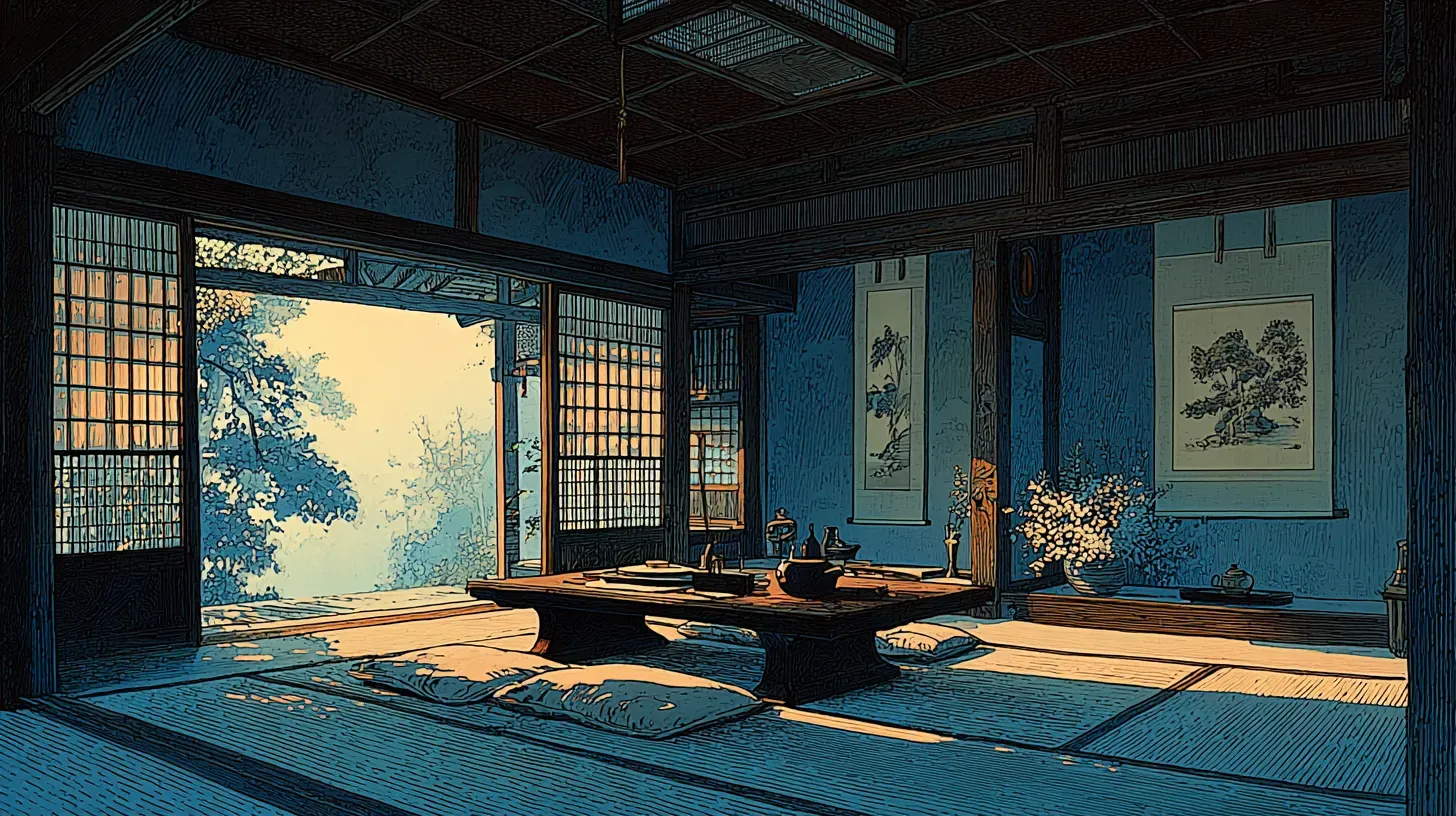
Check-in is usually between 3:00 and 5:00 PM. Arriving within this window matters because dinner is timed — the kitchen is preparing your kaiseki meal based on when you check in.
At the entrance (genkan), you step out of your shoes and onto a raised floor. Your shoes will be stored and returned when you leave. In some ryokans, slippers are provided for walking on wooden corridors, but you remove even the slippers before stepping onto tatami. Walking on tatami in shoes — or even socks with holes — is considered rude.
Your nakai leads you to your room and serves a cup of green tea with a small sweet, usually a local specialty. This is a welcome ritual with real purpose: after traveling, the sugar and caffeine gently revive you before the bath.
She will explain the bathing schedule, dinner time, and how to use the room. Pay attention when she shows you the yukata. The correct way to wear it is to fold the right side against your body first, then wrap the left side over it. This is important: wearing it with the left side underneath is how the dead are dressed for burial. Right under, left over. If you forget, just remember: the opening should allow your right hand to slip inside easily, as though reaching for something tucked against your chest.
The Onsen — Bathing Etiquette That Actually Matters
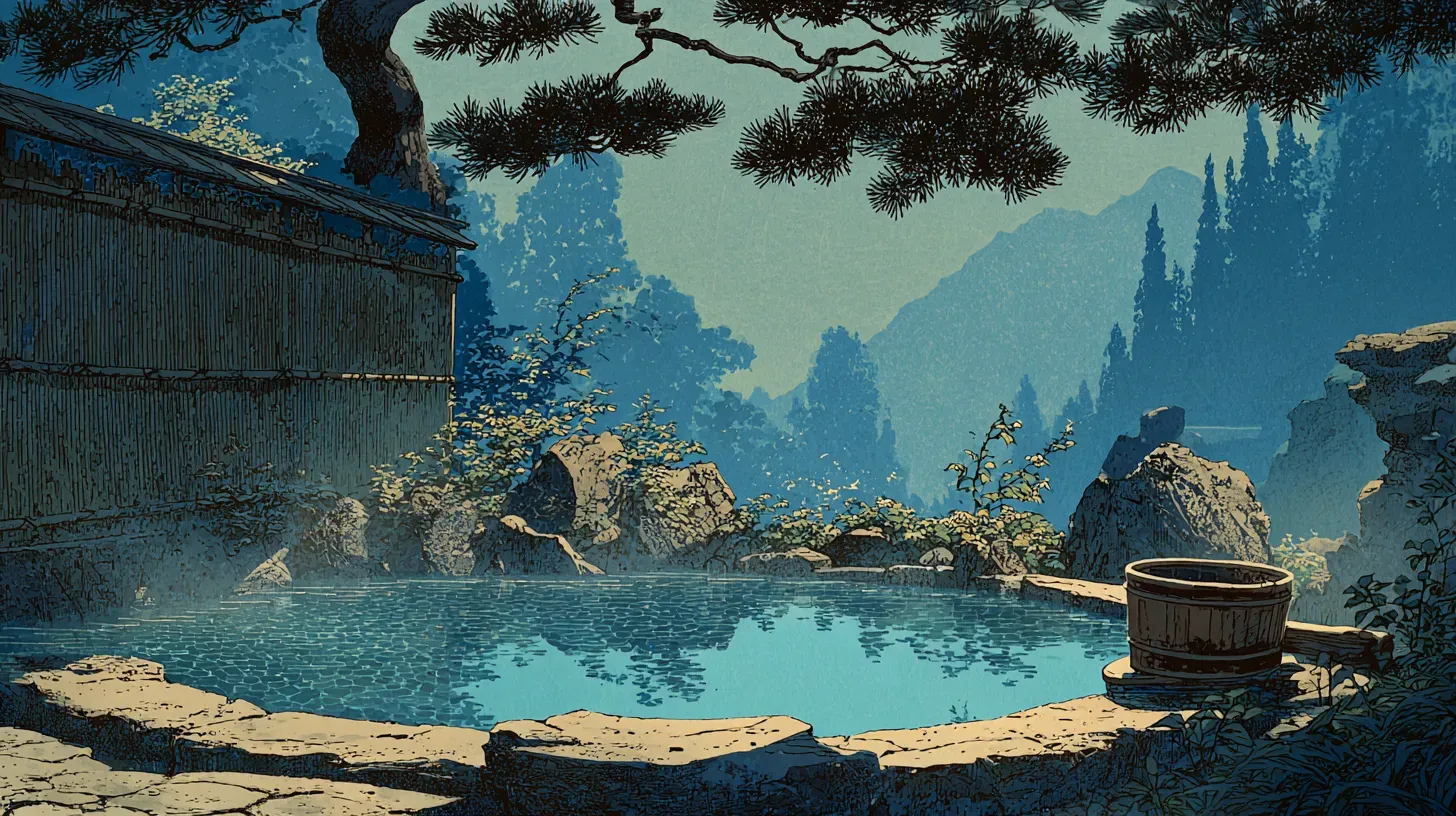
Most ryokans are built around natural hot springs, called onsen. The bath is not a place to get clean — you wash your body before entering. The bath is a place to soak, warm your muscles, and let the mineral water soften your skin. Some ryokans have outdoor baths called rotenburo, where you sit in steaming water and look out at a garden, a river, or a mountainside.
Here are the rules that genuinely matter:
Wash before you soak. This is the single most important rule. Before entering the shared bath, sit at one of the washing stations and scrub yourself thoroughly — hair, body, everything. Rinse off all soap. Then, and only then, ease yourself into the tub. Entering without washing is the one breach of etiquette that will draw real disapproval from other bathers.
Keep your towel out of the water. You are given a small hand towel. Use it for washing, then fold it and place it on top of your head or on the edge of the tub. Never dip it into the shared bath water.
Yes, you will be naked. Bathing suits are not worn. This is a shared, communal bath, and everyone is unclothed. Most baths are separated by gender. If you feel self-conscious, know that nobody is looking at you — everyone is focused on their own soak. The communal nudity is not casual or careless; it reflects a cultural idea that bathing together without barriers promotes equality and openness.
Tattoo policies. Many traditional ryokans do not allow guests with visible tattoos in the communal bath, though this is gradually changing. If you have tattoos, ask the ryokan before booking. Some offer kashikiri buro — private baths you can reserve for yourself or your group — which sidesteps the issue entirely.
When to go. The best time for the onsen is right after check-in (before dinner) and again in the early morning. The bath before dinner relaxes you for the meal. The morning soak, when the air is cool and the water is hot, is something many guests remember long after they leave.
Kaiseki — The Traditional Japanese Dinner That Tells a Story
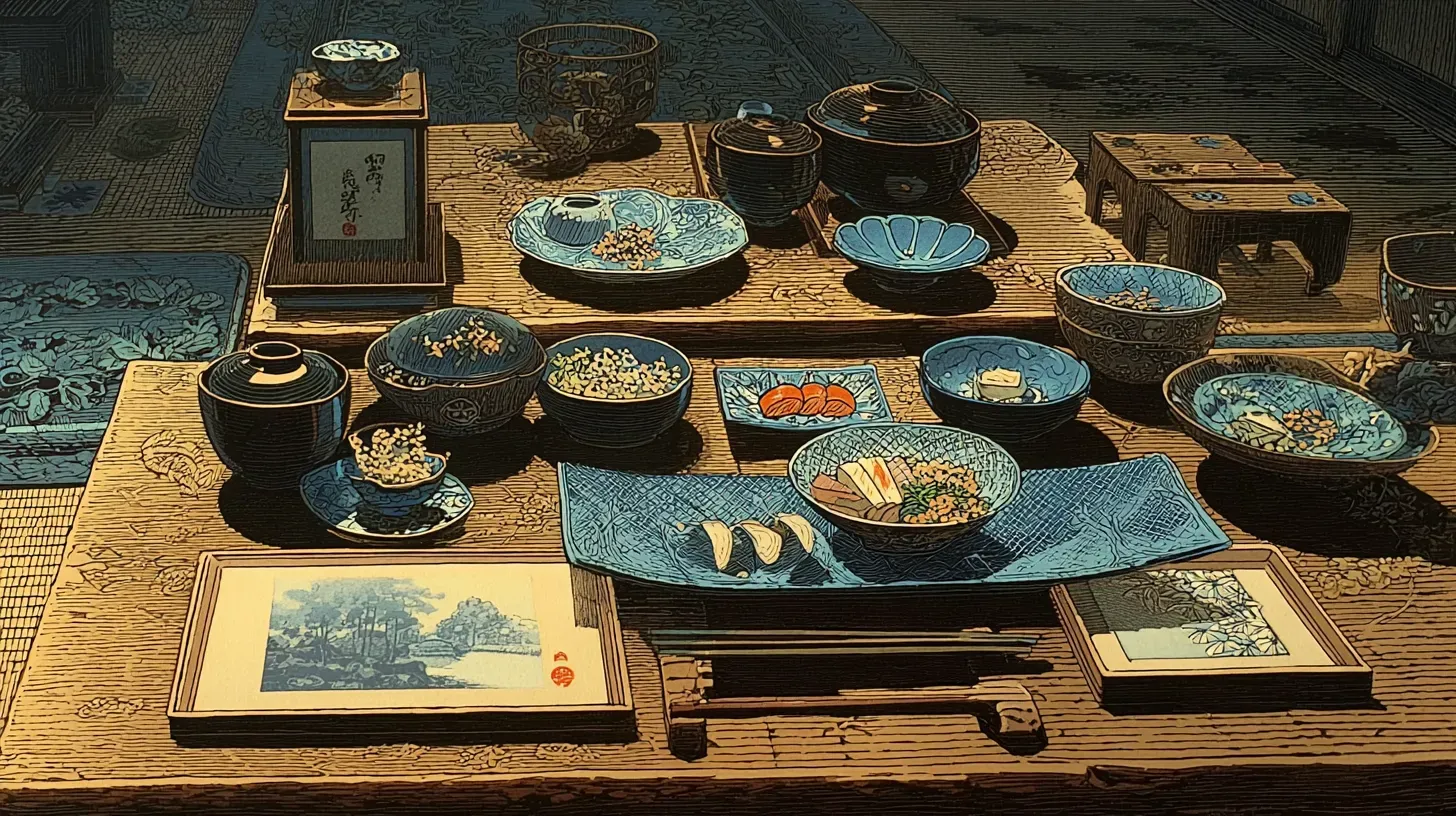
Dinner at a ryokan is not a meal you order from a menu. It is a multi-course experience called kaiseki, and the chef has been preparing it since before you arrived. A full kaiseki dinner typically includes seven to fourteen courses, sometimes more, served over roughly two hours.
Each course is small — often just a few bites — and arrives in a specific order that balances flavors, textures, and cooking methods. The sequence generally follows this pattern:
Sakizuke (appetizer) — A tiny opening dish, often something seasonal. Think of it as the chef introducing the theme of the evening.
Owan (soup) — A clear broth in a lacquered bowl. The lid is part of the experience: lift it and the steam carries the aroma to you before you taste anything.
Otsukuri (sashimi) — Sliced raw fish, usually three varieties, chosen for freshness and arranged with care. Mountain ryokans may substitute river fish or local specialties.
Yakimono (grilled dish) — Often a piece of fish grilled over charcoal. This is typically the most substantial course.
Nimono (simmered dish) — Vegetables and sometimes tofu or fish, gently stewed in a dashi broth seasoned with soy and mirin.
The courses continue — a steamed dish, a vinegared side, rice with pickles and miso soup, and finally a small dessert, often seasonal fruit or a wagashi sweet.
What makes ryokan kaiseki special is locality. The chef builds the menu around whatever is best in the region that week. A ryokan in Hakone might feature mountain vegetables and freshwater fish. One on the Sea of Japan coast might serve crab and squid caught that morning. This is not generic Japanese food. It is the taste of one specific place at one specific time of year.
Two practical notes: dinner is usually served at a fixed time (6:00 or 6:30 PM), and many courses contain raw or lightly cooked seafood. If you have allergies or dietary restrictions, mention them when booking — most ryokans will accommodate you gladly if they know in advance, but asking at dinner is too late.
The morning after, breakfast follows a similar philosophy on a smaller scale. Expect grilled fish, miso soup, rice, pickles, a small salad, and perhaps a raw egg or tofu. It is a proper meal, not a continental afterthought.
Sleeping on Tatami — It’s Better Than You Think
While you are at dinner (or in the onsen), your nakai transforms the room. The low table is pushed aside and thick cotton mattresses called futon are laid directly on the tatami floor. A buckwheat-hull pillow and a heavy comforter complete the setup.
If you have never slept on a futon on the floor, you might expect discomfort. Most people are surprised by how well they sleep. Tatami has a slight give — it is firmer than a Western mattress but not hard like bare floor. The even support is actually good for your back, and some guests with chronic back pain report sleeping better on tatami than in their own beds.
If the pillow feels too hard or too tall, ask the front desk for an alternative. Many ryokans keep Western-style pillows for exactly this request. There is no shame in asking.
In the morning, some ryokans ask you to fold your futon and stack it neatly in the closet. Others prefer you leave it as is, so the staff can handle it. A quick question to the front desk clears this up.
How Much Does a Ryokan Cost?
Ryokan pricing can be confusing if you are used to hotel rates, because the number you see is usually per person per night, with two meals included — not per room.
Here is a rough guide:
Budget (¥5,000–¥10,000 per person): Simple rooms, shared bathrooms, no meals or a basic dinner. These are often family-run inns in smaller towns. The experience is authentic but stripped down. A good option if you want the tatami-and-futon experience without the full kaiseki commitment.
Mid-range (¥15,000–¥30,000 per person): This is the sweet spot for a first-timer. You get a private tatami room, onsen access, and a proper kaiseki dinner and Japanese breakfast. The nakai service and the quality of the food at this price point are often excellent. At current exchange rates, that is roughly $100–$200 USD per person per night, all meals included.
High-end (¥30,000–¥60,000 per person): Larger rooms, rooms with private outdoor baths (rotenburo tsuki kyakushitsu), in-room dining, and premium seasonal ingredients in the kaiseki — wagyu beef, local crab, or high-grade sashimi.
Ultra-luxury (¥60,000+ per person): Institutions like Tawaraya in Kyoto or Gora Kadan in Hakone. The service, the food, the architecture, and the sense of history at these places are difficult to describe. Steve Jobs stayed at Tawaraya. So did the Emperor.
A few things to keep in mind: weekends and holidays typically cost 30–50% more. Solo travelers often pay a surcharge since rooms are priced for double occupancy. And the price includes two meals, so when comparing to a hotel, add the cost of dinner and breakfast to the hotel rate — ryokans suddenly look more reasonable.
Choosing Your First Ryokan
If this is your first time, a few regions are especially well-suited for newcomers:
Hakone — Just ninety minutes from Tokyo by train, Hakone sits in a volcanic valley with dozens of ryokans fed by natural hot springs. The variety here is enormous: you can find everything from modest family inns to world-class luxury. Because it is a major tourist destination, many properties have English-speaking staff and English menus.
Kyoto — The city has a long tradition of machiya ryokans — inns housed in traditional wooden townhouses. Staying in one puts you within walking distance of temples, gardens, and the old geisha district. Hiiragiya and Tawaraya are legendary names, but smaller properties like Yuzuya offer a beautiful experience at more accessible prices.
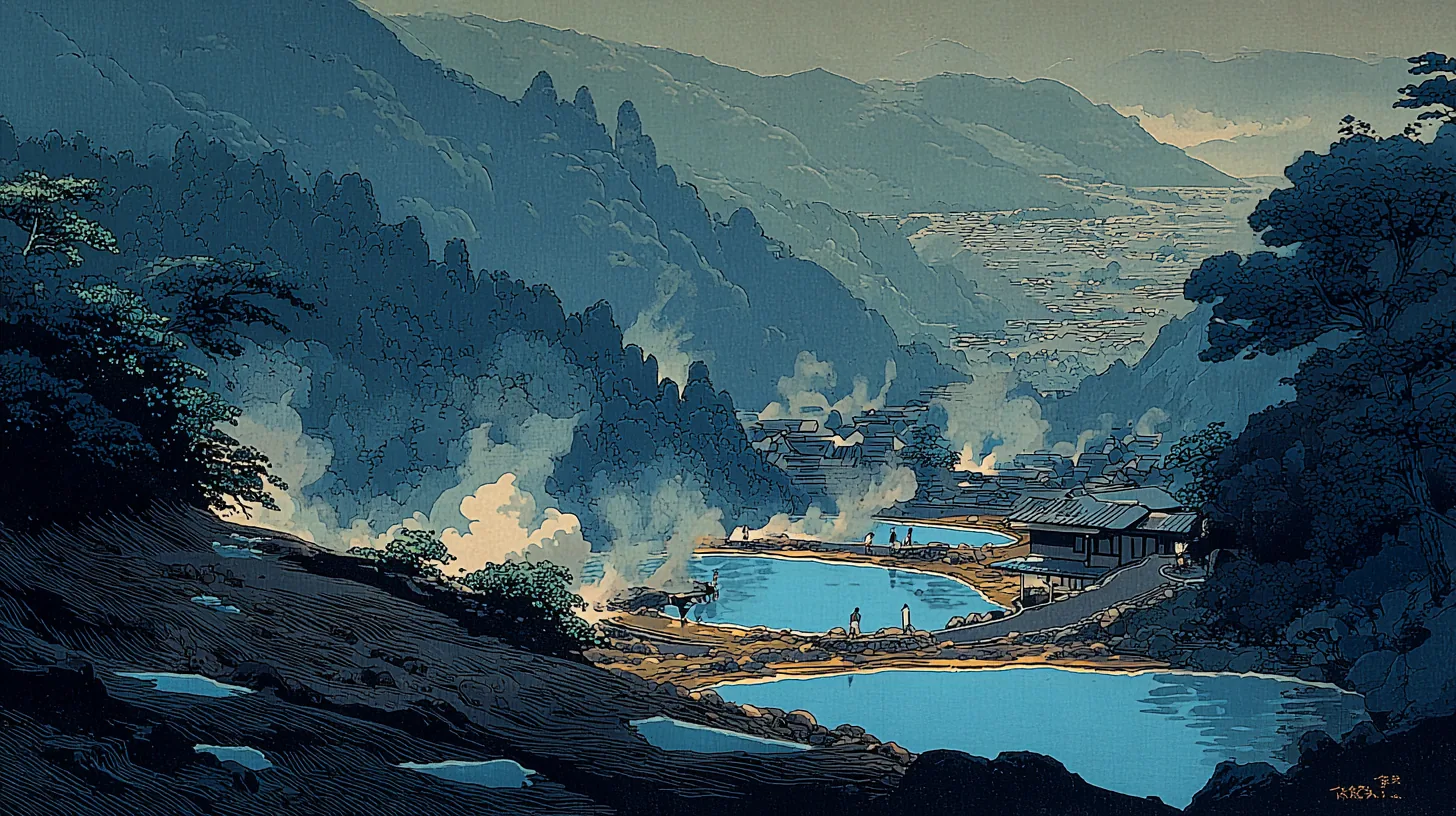
Beppu — On the island of Kyushu, Beppu is one of the world’s great hot-spring cities. It produces more hot-spring water than almost anywhere else on Earth, and of the eleven recognized spring types in Japan, Beppu has ten. The city is famous for its jigoku meguri — a tour of dramatically colored “hell” pools that steam, bubble, and glow in shades of cobalt blue and blood red. Beyond sightseeing, the sheer variety of bathing options makes Beppu ideal for a first-timer who wants to experience multiple onsen styles in one trip. Access is easy: Fukuoka Airport is about two hours away by bus or train.
Kusatsu Onsen — Consistently ranked the number-one hot-spring town in Japan by domestic travelers, Kusatsu sits at an elevation of 1,200 meters in Gunma Prefecture. The town’s centerpiece is the yubatake — a large wooden structure in the main square where scalding spring water is cooled before being piped to the baths. Watching the steam rise from the yubatake at night is one of the most iconic images of Japanese onsen culture. Kusatsu is about three hours from Tokyo by highway bus, making it a comfortable overnight trip from the capital.
Booking tips. Many ryokans accept reservations through Booking.com or Japanican (the English-language site run by JTB, Japan’s largest travel agency). For higher-end properties, booking directly through the ryokan’s website — or having a Japanese-speaking friend email them — sometimes unlocks better rooms or special arrangements. When booking, confirm whether English is spoken and whether the onsen allows tattoos if relevant.
Continue Reading
- Japanese Onsen: The Complete Guide — the hub article on the bathing culture every ryokan is built around.
- Japanese Onsen Etiquette for First-Timers — every etiquette rule explained, with the reason behind each one.
- Japanese Food History — where the kaiseki dinner tradition comes from.
FAQ
What is a ryokan and how is it different from a hotel?
A ryokan is a traditional Japanese inn with tatami-mat rooms, communal hot-spring baths, and multi-course kaiseki meals included in the price. Unlike a hotel, a ryokan follows a set rhythm — arrive in the afternoon, bathe, eat, sleep on a futon on the floor, and leave by mid-morning. The emphasis is on slowing down and experiencing Japanese hospitality, called omotenashi, rather than convenience and independence.
What is the etiquette for staying at a ryokan?
The most important rules: remove your shoes at the entrance and never step on tatami with footwear. Wash your entire body before entering the onsen — this is non-negotiable. Wear your yukata robe with the right side folded against your body first, left side over it (left-under is for the deceased). Arrive for meals on time, as kaiseki courses are prepared fresh and timed to your schedule.
How much does a ryokan cost per night?
Prices range widely. A basic ryokan with shared facilities starts around ¥5,000 per person per night. A mid-range ryokan with private room, onsen, and two meals typically runs ¥15,000–¥30,000 per person. High-end properties with in-room baths and premium kaiseki cost ¥30,000–¥60,000 or more. Note that prices are per person and usually include dinner and breakfast, so a direct comparison with hotel rates should factor in meal costs.
Do you have to be naked in a ryokan onsen?
Yes. In the communal baths, bathing suits are not worn. Baths are separated by gender, and everyone bathes without clothing. This reflects a cultural tradition of communal bathing that values equality and openness. If you are uncomfortable, many ryokans offer private baths (kashikiri buro) that you can reserve for yourself or your group.
What is kaiseki and what should I expect at dinner?
Kaiseki is a multi-course Japanese meal traditionally consisting of seven to fourteen small courses, served in a specific order over roughly two hours. Each course uses a different cooking method — raw, grilled, steamed, simmered — and highlights seasonal, local ingredients. At a ryokan, the chef creates the menu based on what is freshest that week. If you have dietary restrictions, inform the ryokan when you book; they can usually accommodate allergies and preferences if given advance notice.
Sources
- Ryokan Etiquette: How to Stay at a Ryokan — Japan National Tourism Organization (JNTO)
- Nishiyama Onsen Keiunkan — Official Site — Keiunkan
- Beppu Onsen Official Navi — Beppu City Tourism
- Kusatsu Onsen Official Guide — Kusatsu Town Tourism Association
- Traditional Accommodations of Japan — Japan Ryokan & Hotel Association