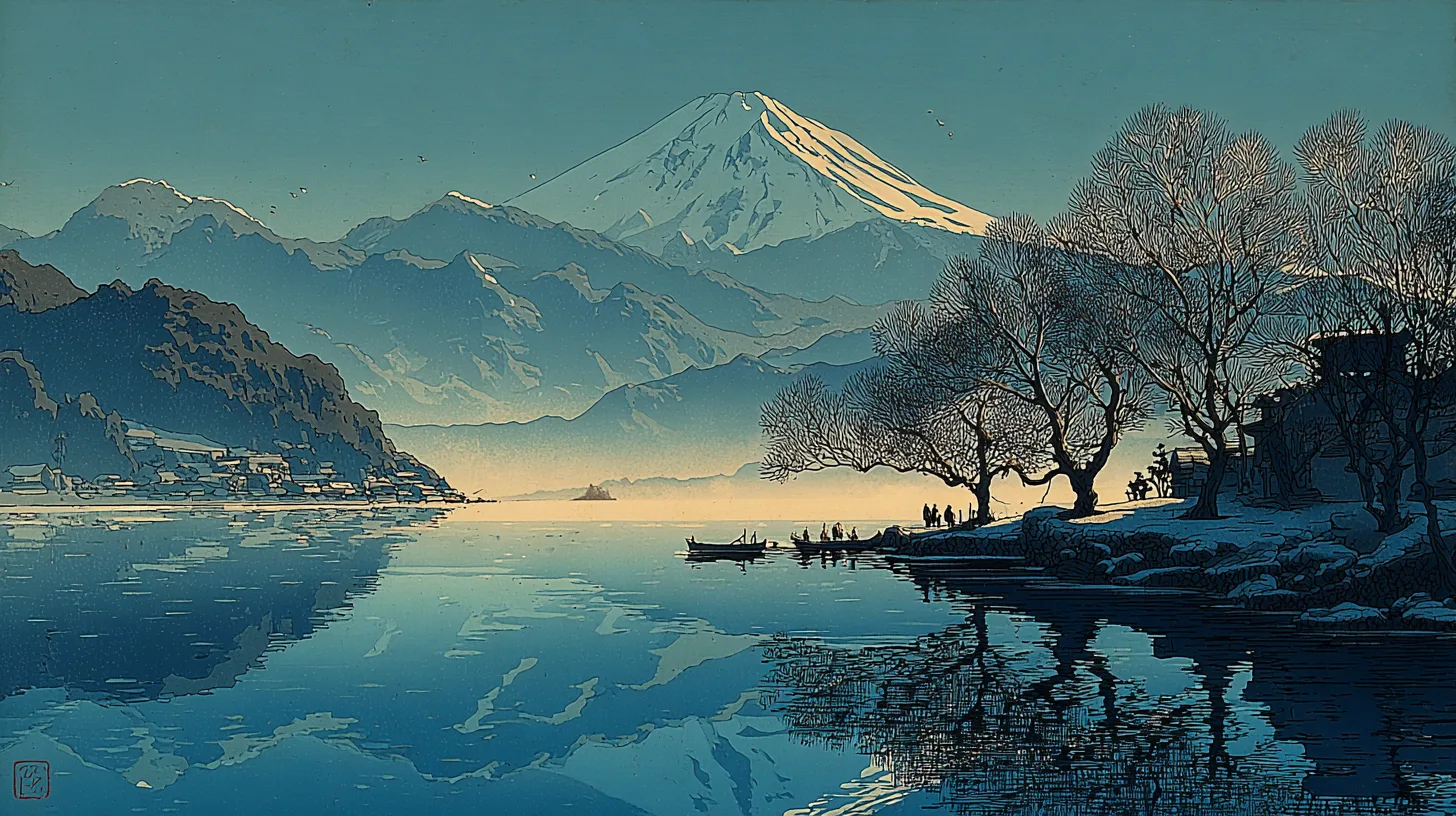
Mount Fuji's Five Lakes: One Eruption, One Broken Lake, Five Reflections of the Same Volcano
Twelve hundred years ago, a single eruption from Mount Fuji split one large lake into five. Those five lakes — Kawaguchiko, Yamanakako, Saiko, Shōjiko, Motosuko — are now Japan's most photographed view of the volcano. Here's which one to visit, what each one shows you, and the story behind why they exist.
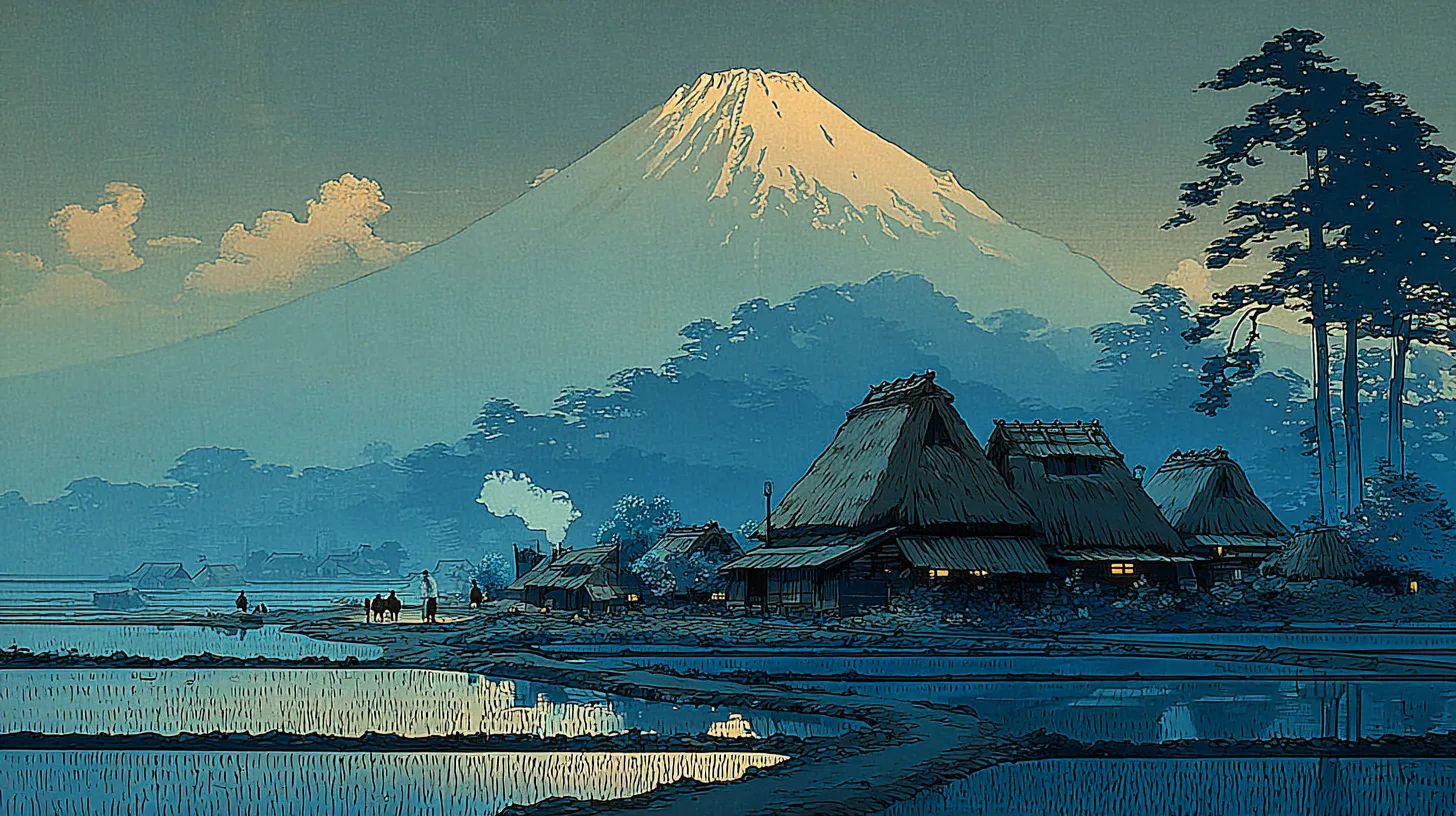
Mount Fuji: The Complete Guide — 2.6 Million Years of Eruptions, Five Lakes, and Everything to See Around Japan's Active Volcano
Mount Fuji has erupted 18 times in recorded history, last in 1707, and is still classified as an active volcano. A complete guide to its 2.6-million-year story, the five lakes created by its lava, the shrines built to calm its fire, the climbing routes, and the painters who turned its triangular silhouette into Japan's most recognizable image.
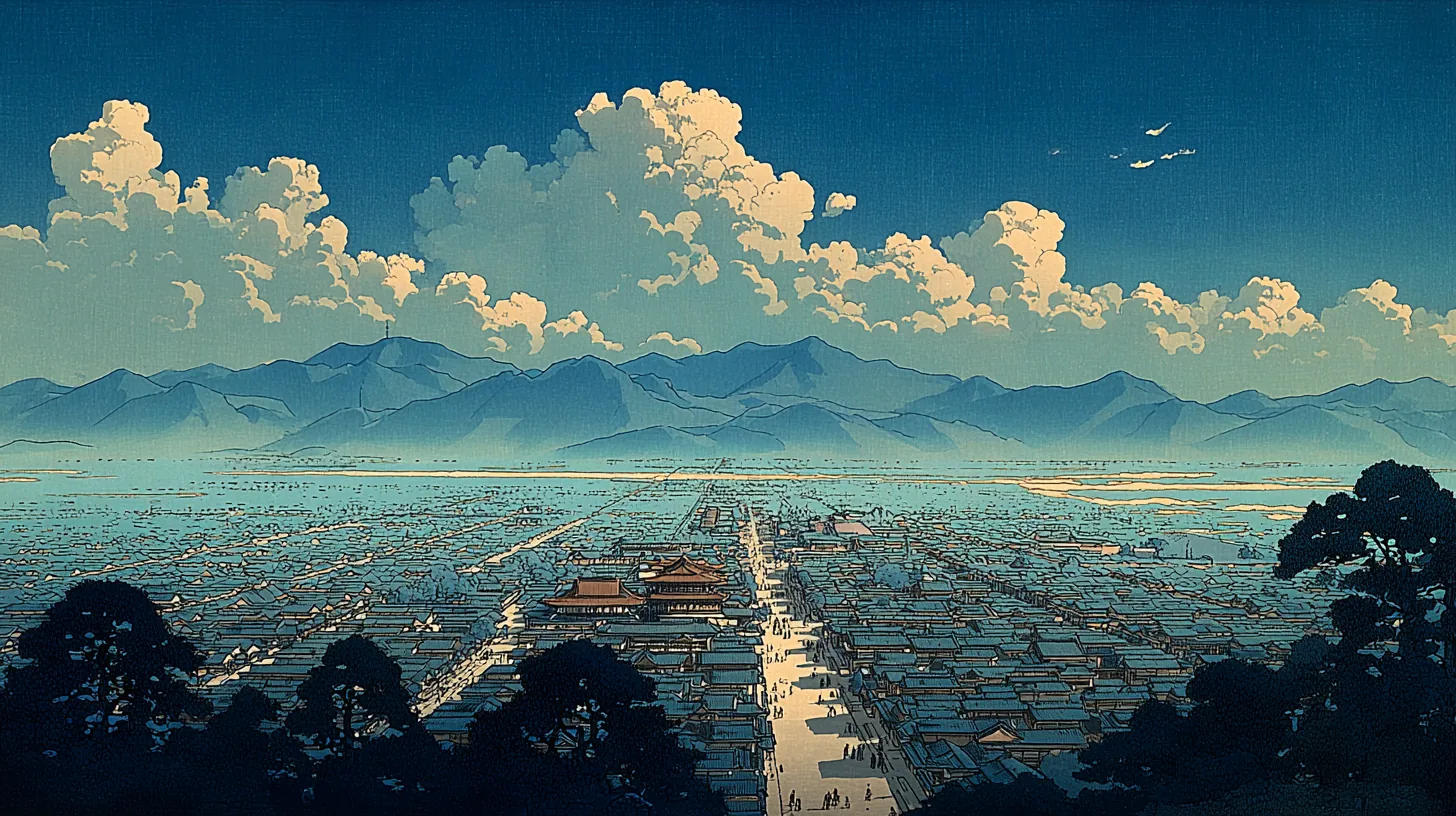
Kyoto Was Japan's Capital for 1,074 Years — Longer Than Rome, Survived a World War, and Almost Was Atomic-Bombed in 1945
Rome ruled for five centuries. Constantinople for a thousand. London for nine hundred. Kyoto served as Japan's imperial capital for 1,074 years — from 794 to 1868 — and was never conquered, never renamed, and was on the WWII atomic bomb target list before one American official quietly removed it. Here's the full story, including why Kyoto stopped being Japan's capital in 1868 — and why some still consider it a co-capital today.
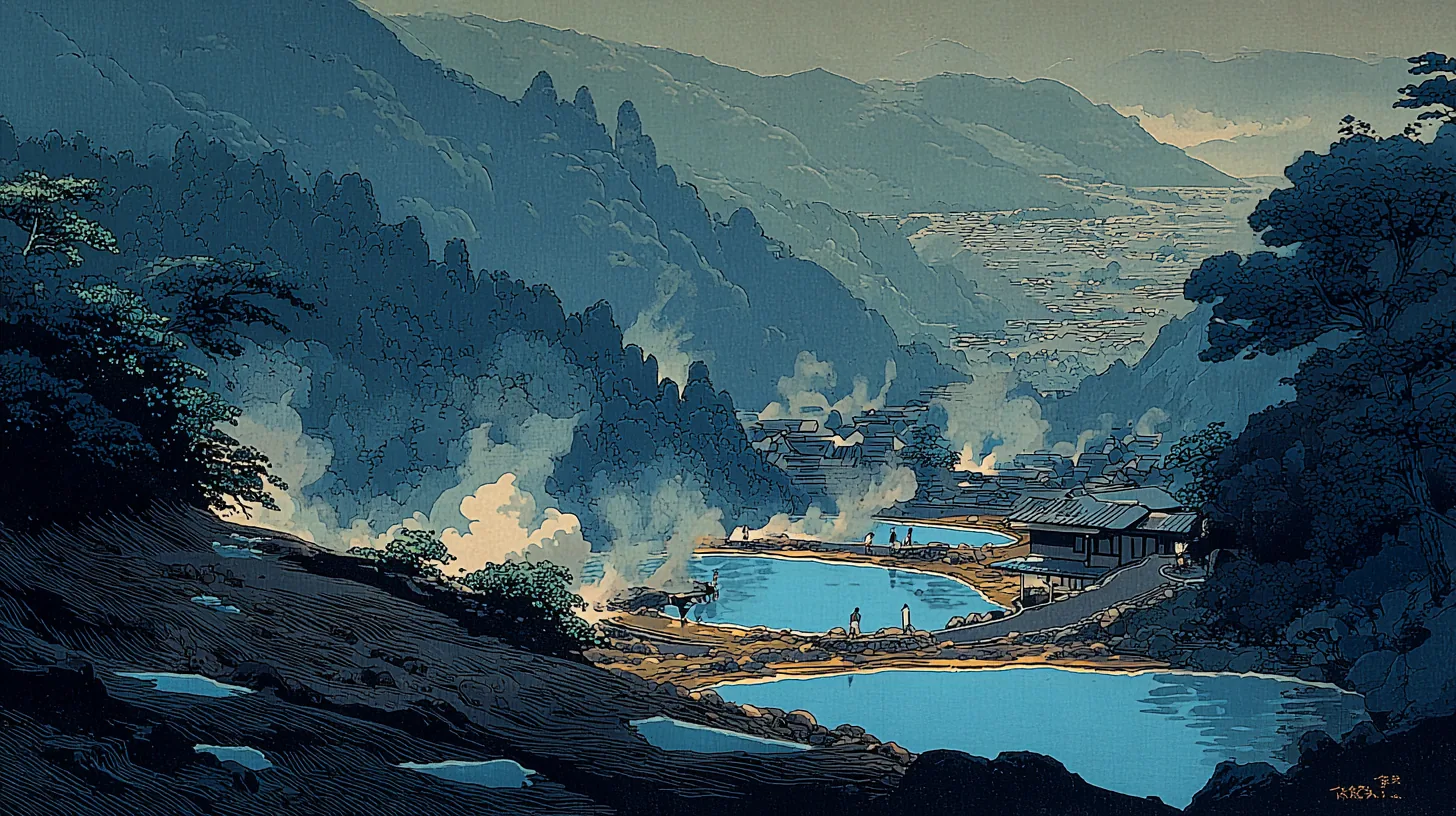
Japan Has 27,000 Hot Springs. Iceland Has 800. Here's What's Happening Underground.
Iceland is famous for hot springs. Japan has thirty-three times more — over 27,000, discharging 2.6 million liters of heated water every minute. The reason: four tectonic plates colliding beneath the archipelago, and 3,000 years of culture built around the result.
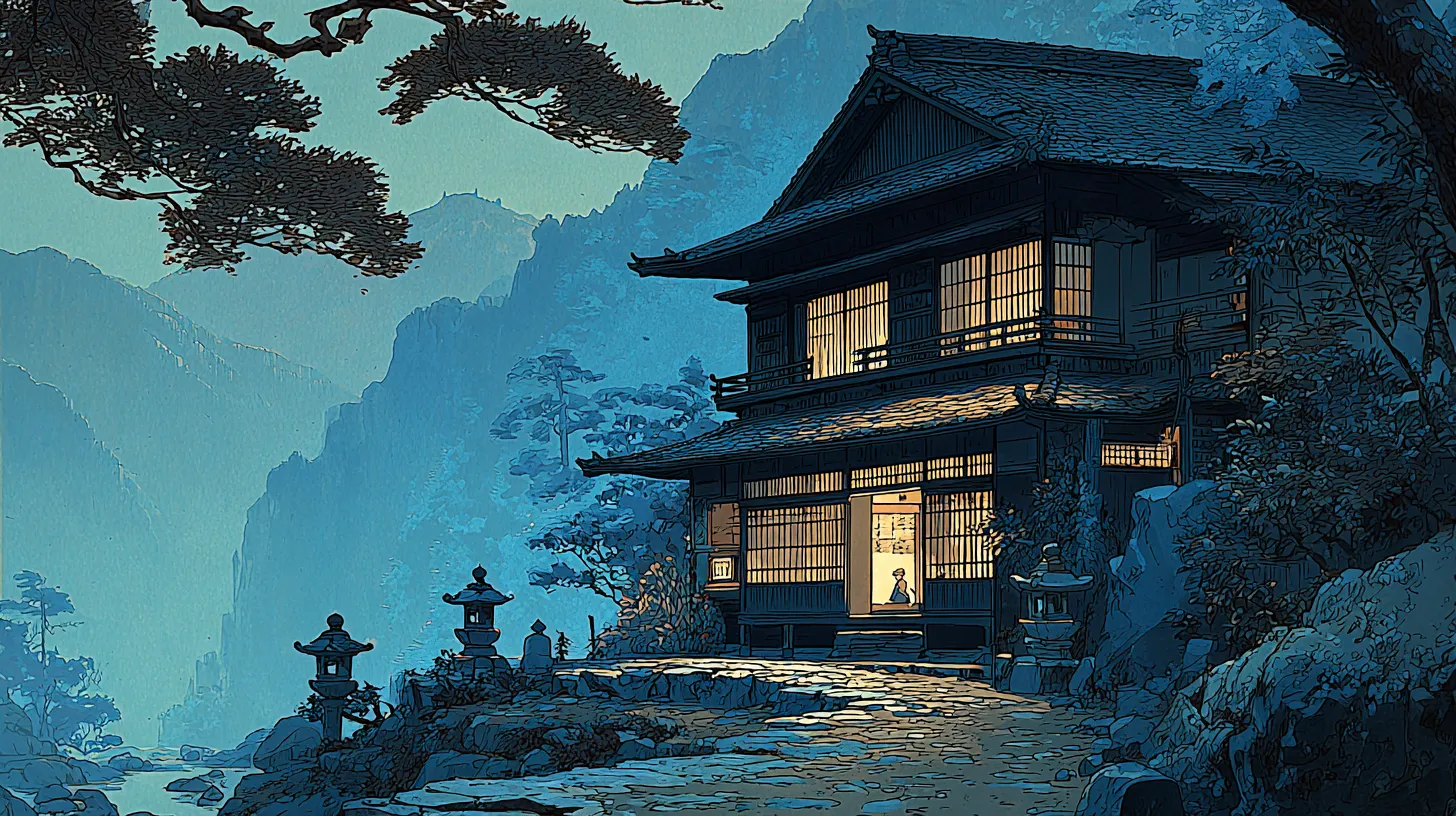
Your First Ryokan Stay: Inside the World's Oldest Hotels (Some Have Welcomed Guests for 1,300 Years)
Some ryokan have been welcoming guests for over 1,300 years — making them the oldest continuously operated hotels on Earth. Here is exactly what to expect at your first stay: the bow at the door, the yukata, the traditional Japanese dinner called kaiseki that arrives in nine courses, the futon laid out while you eat, and the etiquette that catches almost every foreigner off guard.