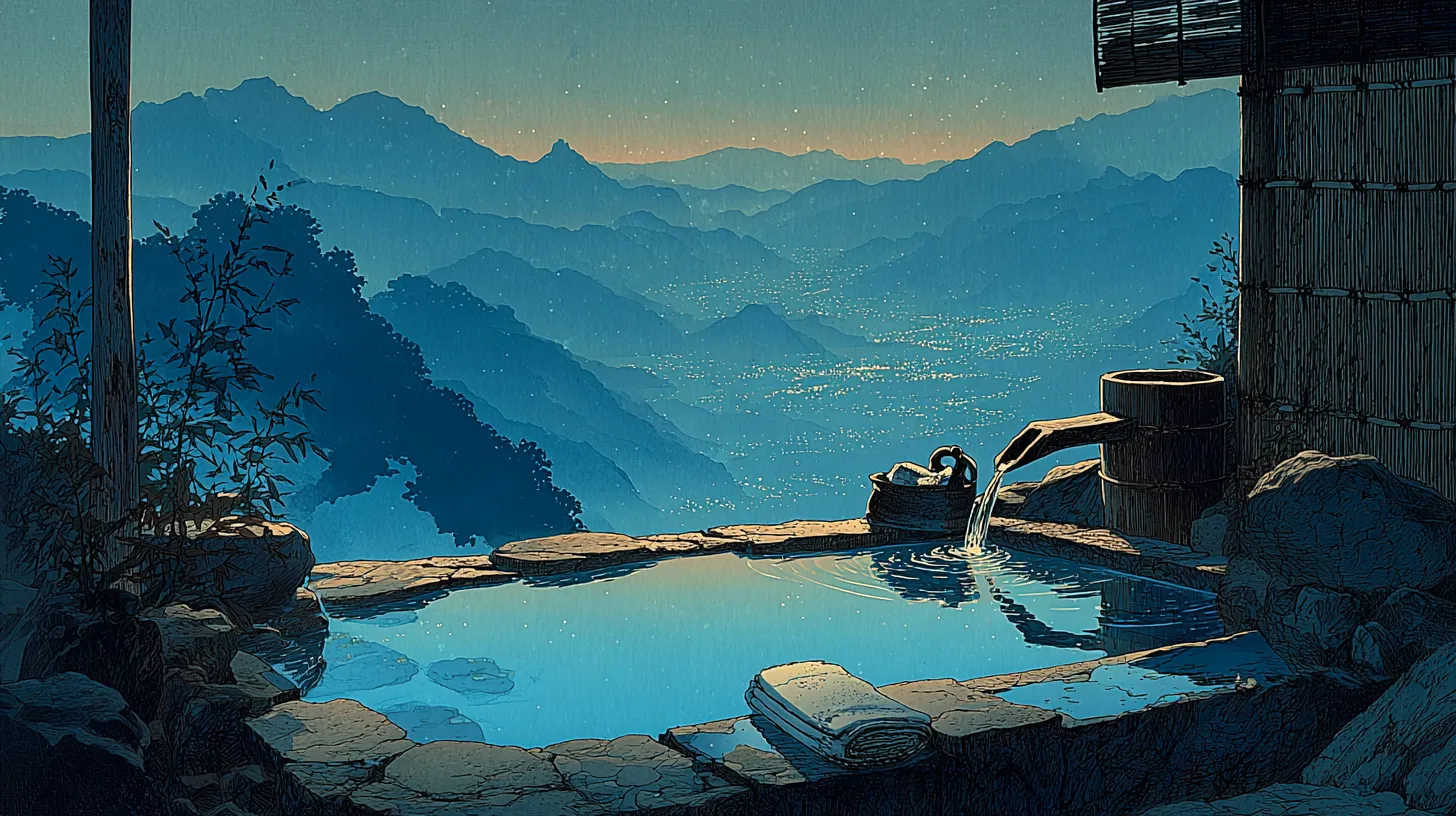
Japanese Onsen Etiquette for First-Timers: The Rules No One Tells You (Until You Get Them Wrong)
Japanese onsen etiquette explained for first-timers: the towel rule, the tattoo question, what to do at the wash station — every rule, with the reason behind each one.
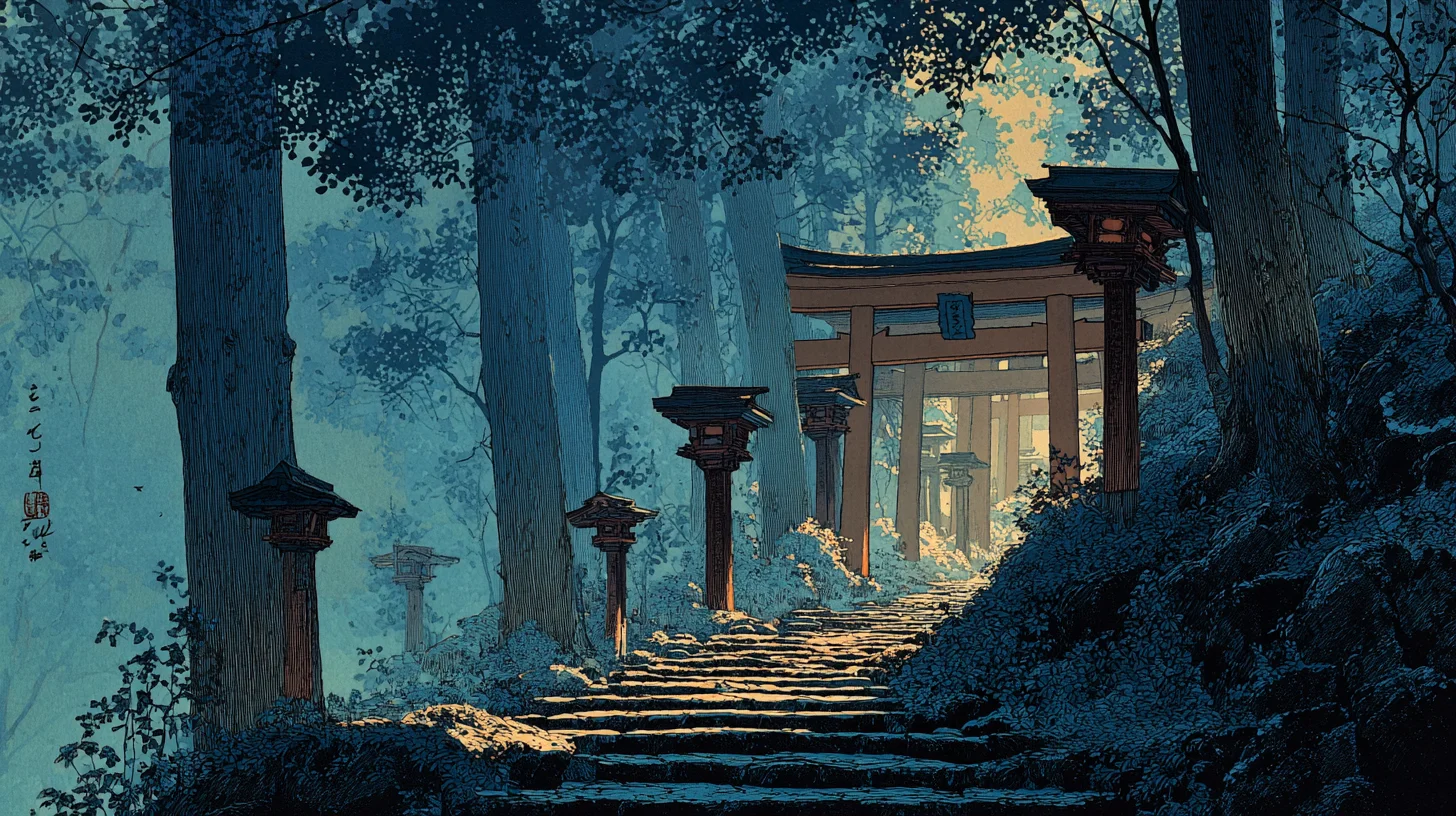
Fushimi Inari Shrine: It's Not 1,000 Gates — It's 10,000, and They Are Quietly Rebuilt Every 5 Years
The famous 'Thousand Gates' of Fushimi Inari is a marketing lie — there are roughly 10,000, and they rot and are replaced every five to ten years. The shrine never closes, the foxes are not what tourists think, and the path keeps climbing for four kilometers up a sacred mountain. Here's what's actually happening up there.

Is Mount Fuji Still an Active Volcano? Yes — Here's What Happened in 1707, and What Scientists Are Watching For Next
Mount Fuji is officially classified as an active volcano by the Japan Meteorological Agency. It last erupted in 1707 — covering Edo (modern Tokyo) with ash for two weeks — and is now monitored more closely than almost any volcano on Earth. Here's the full 2.6-million-year eruption history, why it is really three volcanoes stacked into one, and what scientists are watching for today.
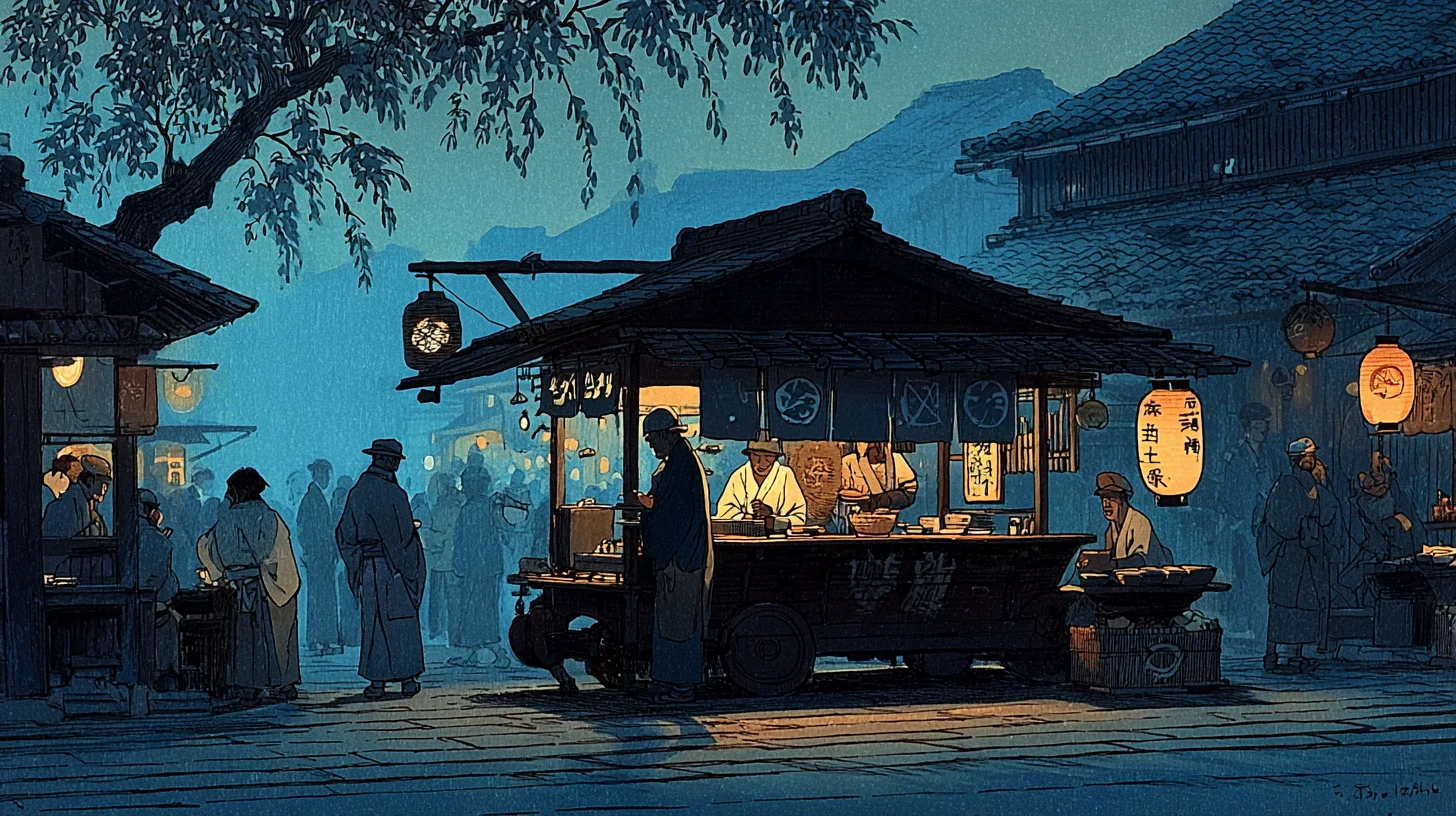
Life in Edo: The City That Beat London by Half a Million People (And Was Made Entirely of Wood)
By 1700, the city we now call Tokyo had a million residents — almost twice London's population — and it was built entirely of wood, paper, and human ingenuity. No glass windows. No stone houses. No carriages. Here is what daily life actually looked like in the world's strangest megacity.
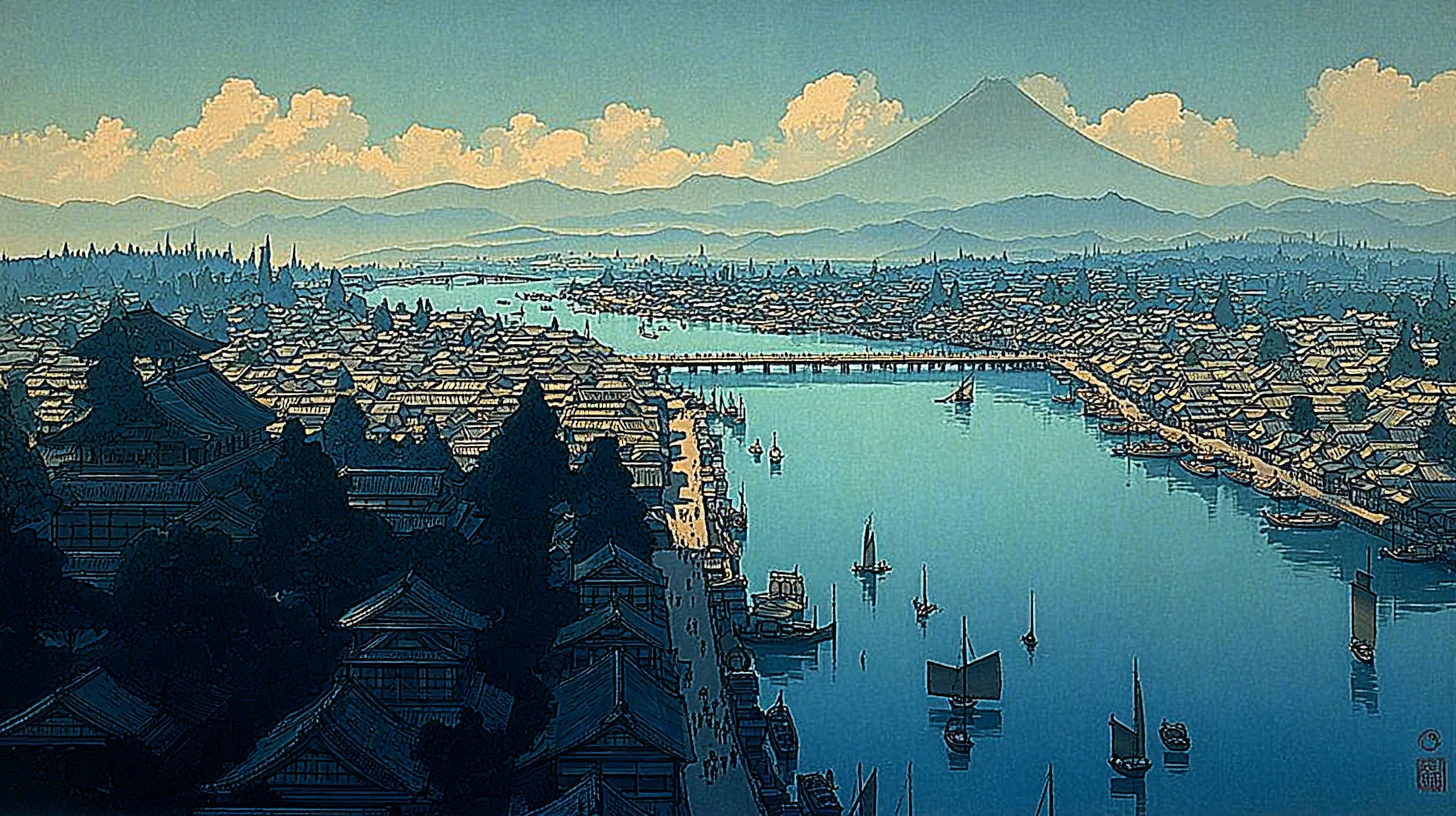
Tokyo Was a Swamp Nobody Wanted — Then One Exiled Samurai Saw What Everyone Else Missed
In 1590, Tokugawa Ieyasu was ordered to take over a worthless tidal swamp on the wrong side of Japan. Four hundred years later, that swamp holds 37 million people, the world's busiest train station, and the most expensive real estate on Earth. Here's exactly how he pulled it off.